What to know about Georgia wildfires: Kemp to survey damage as crews battle blazes
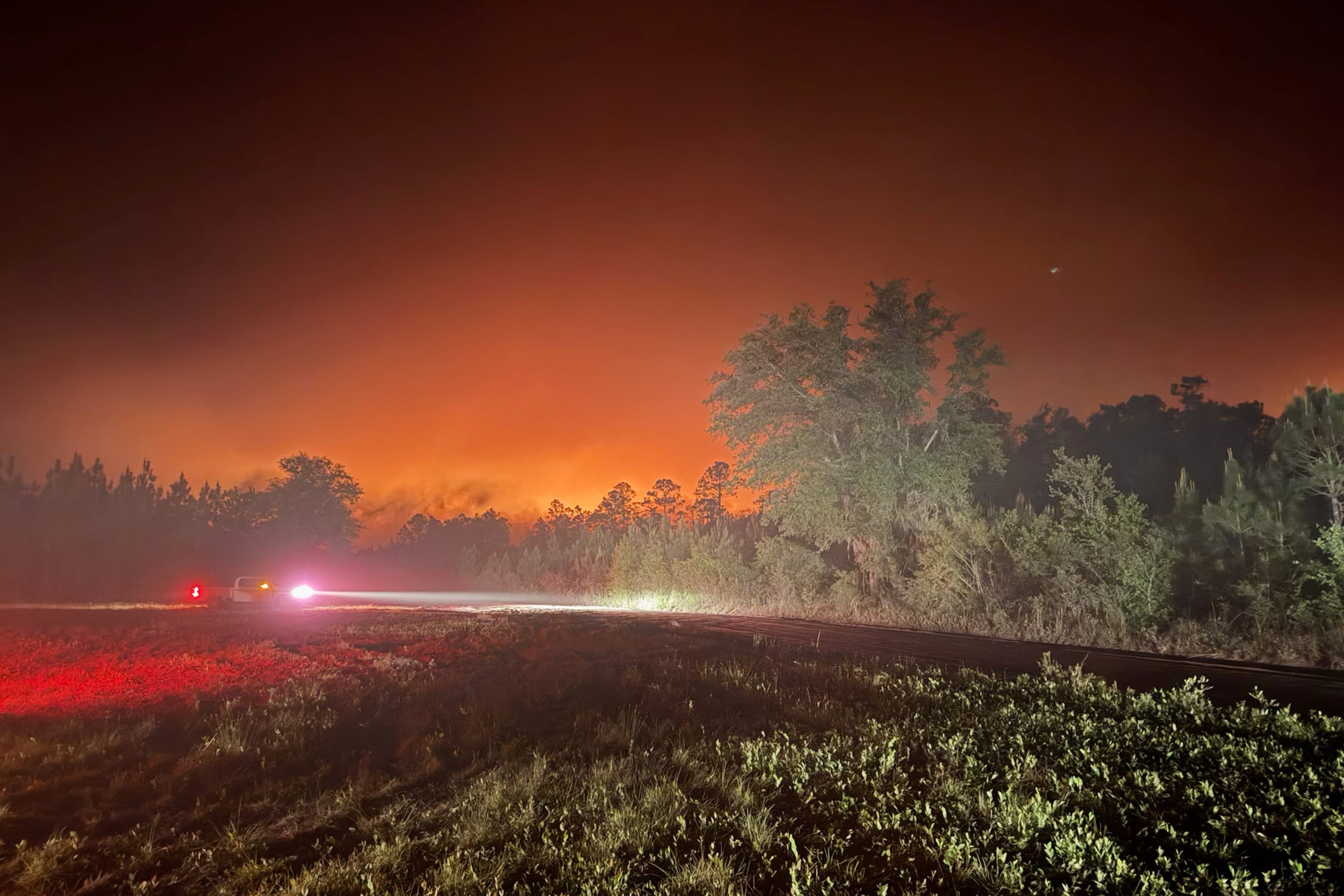
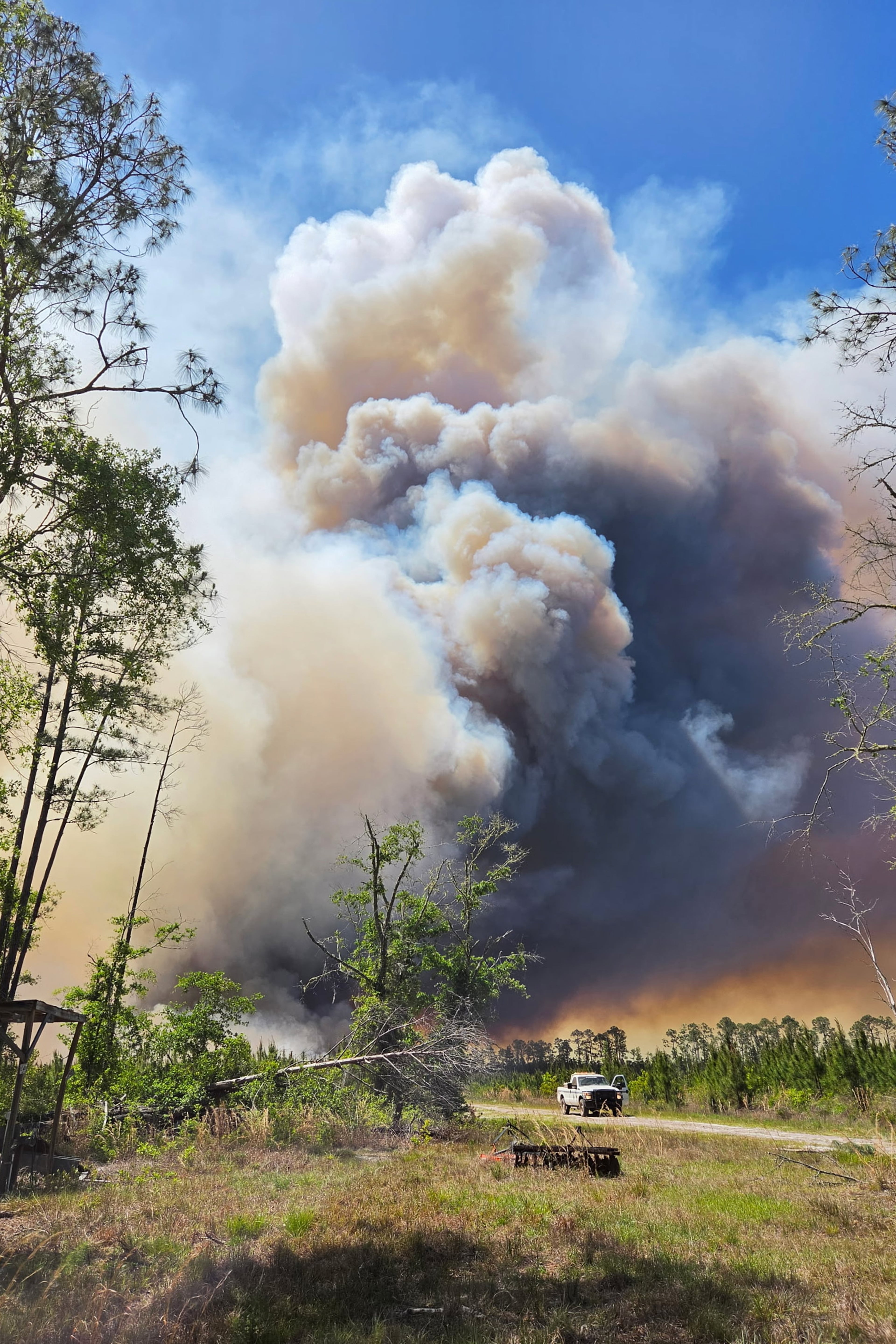
Gov. Brian Kemp will be in South Georgia to evaluate one of two large wildfires blazing through the region.
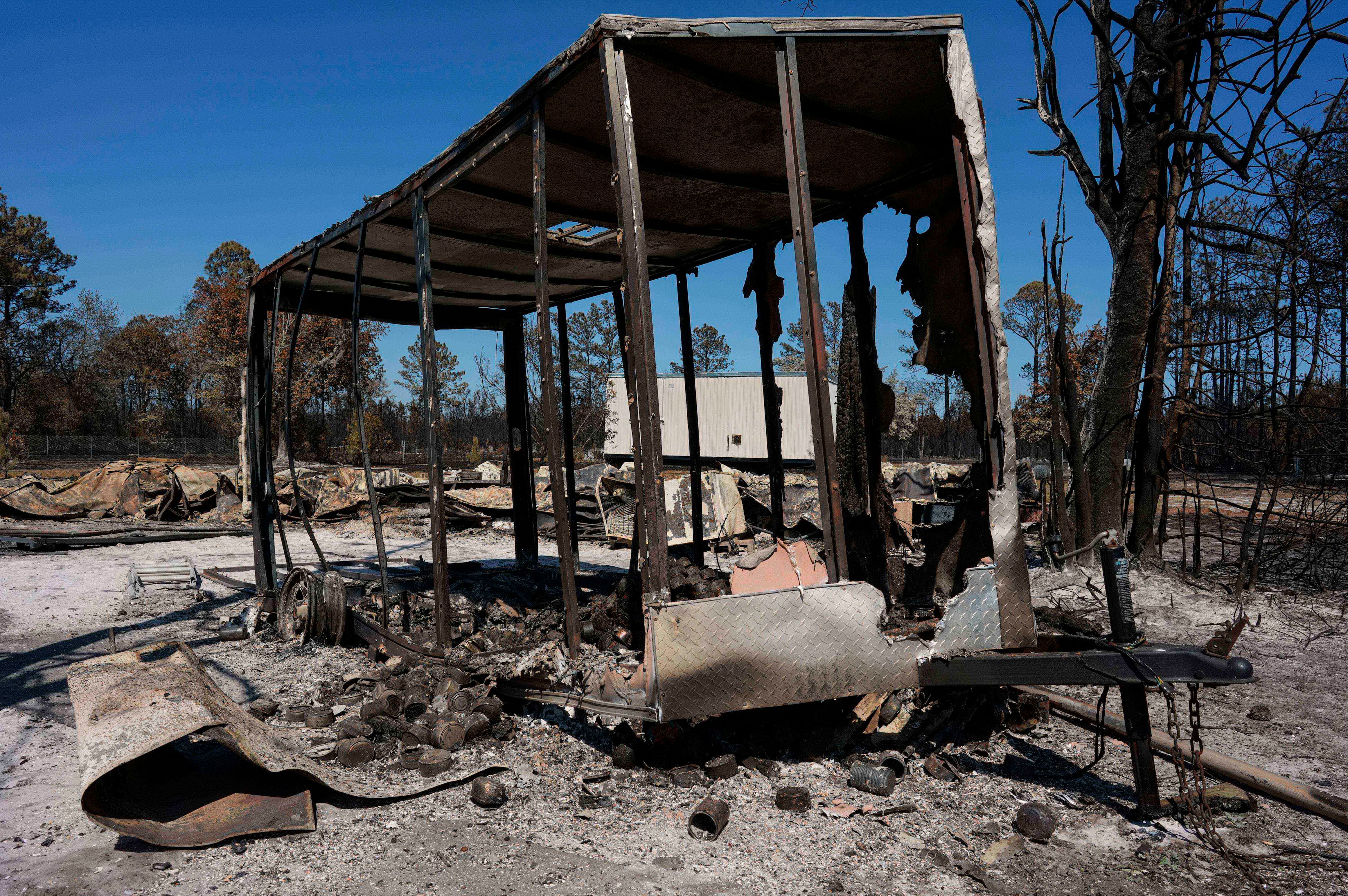
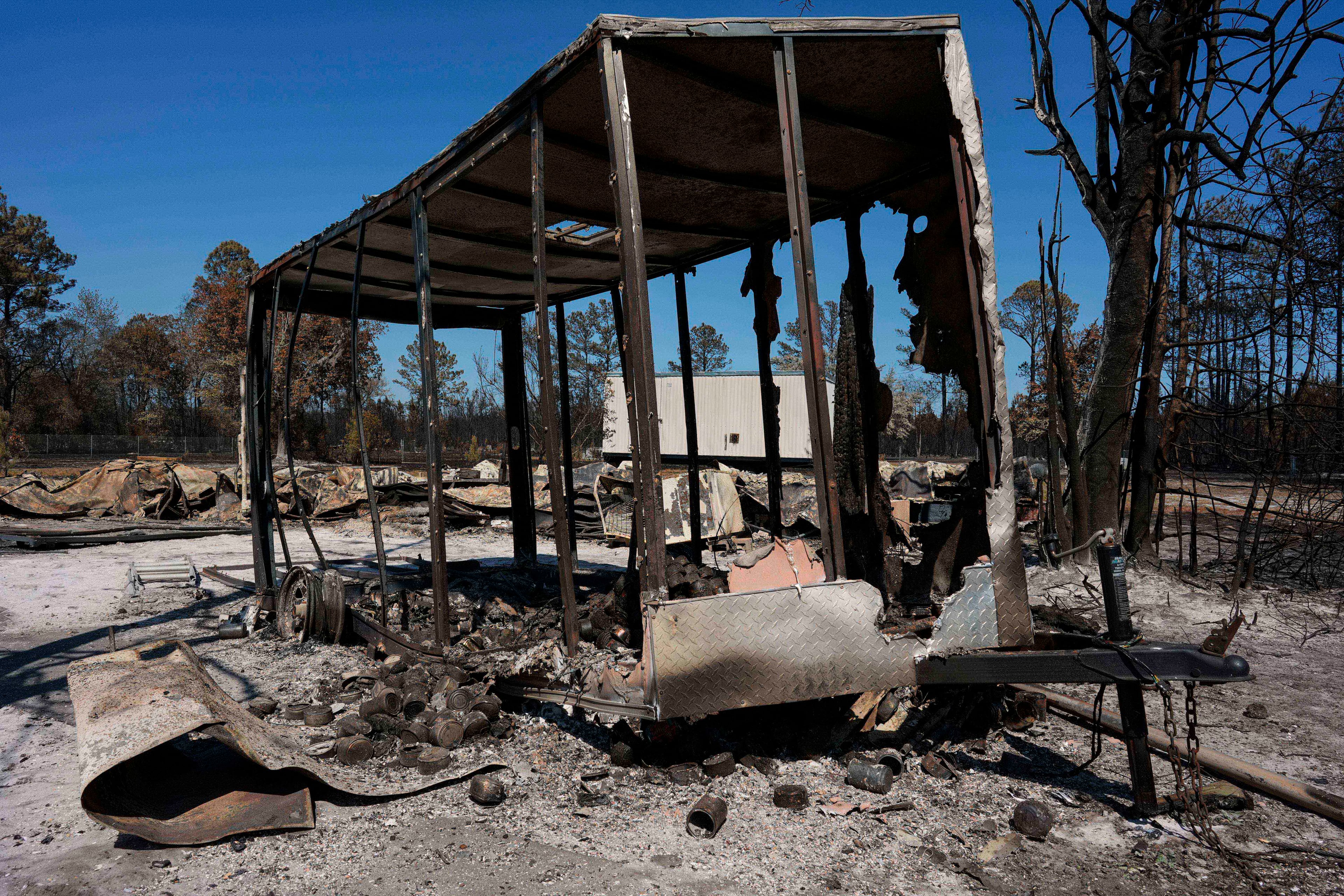
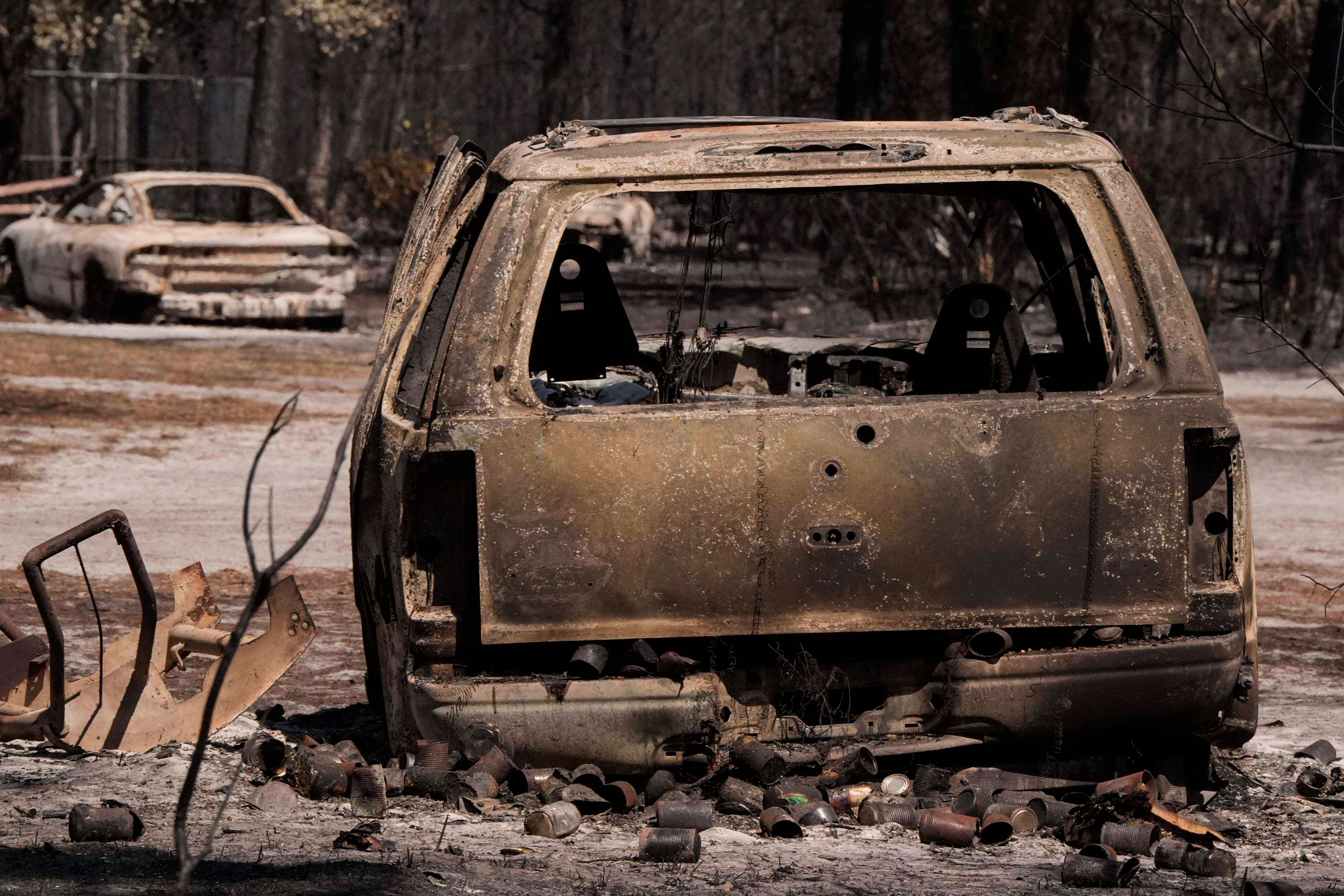
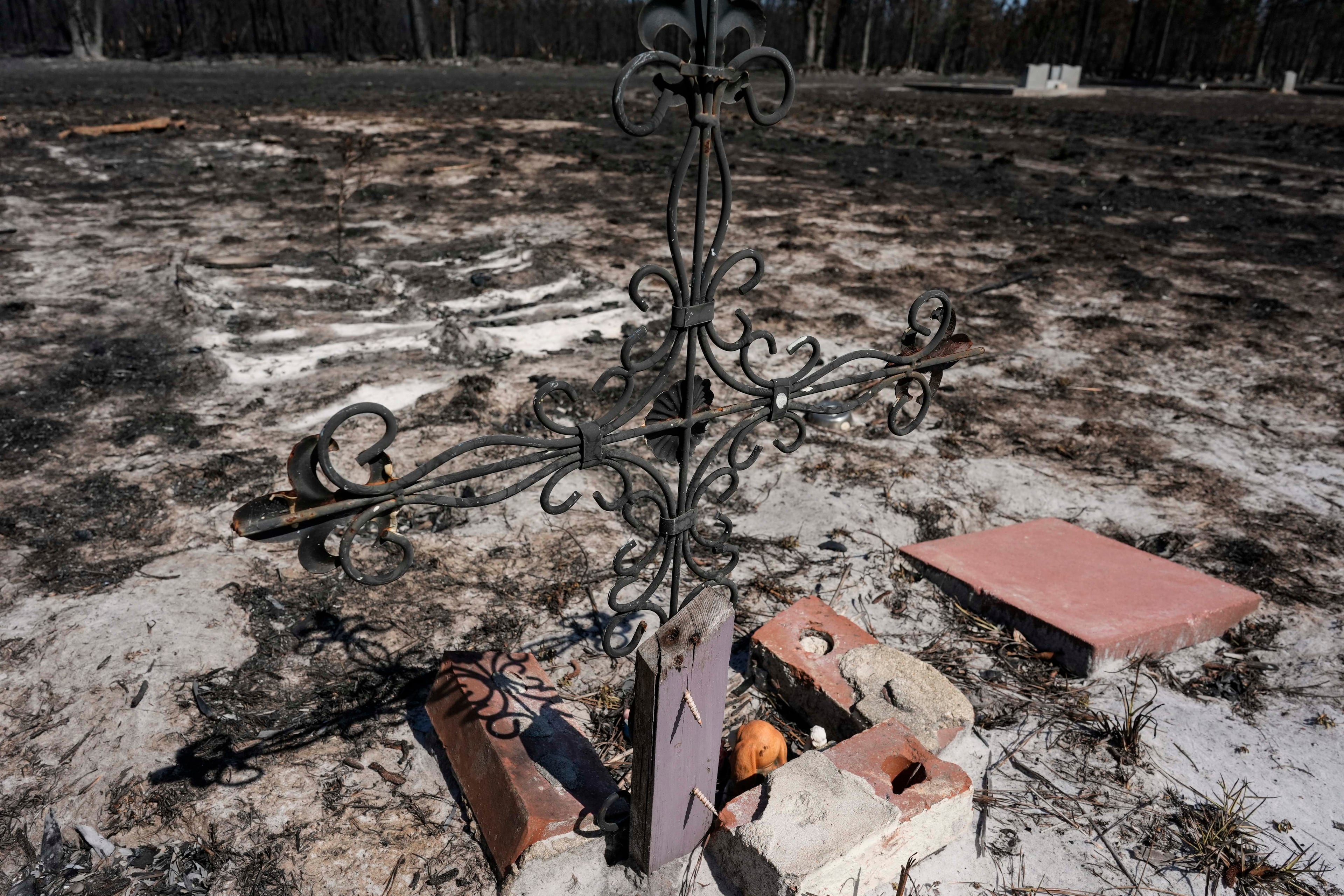
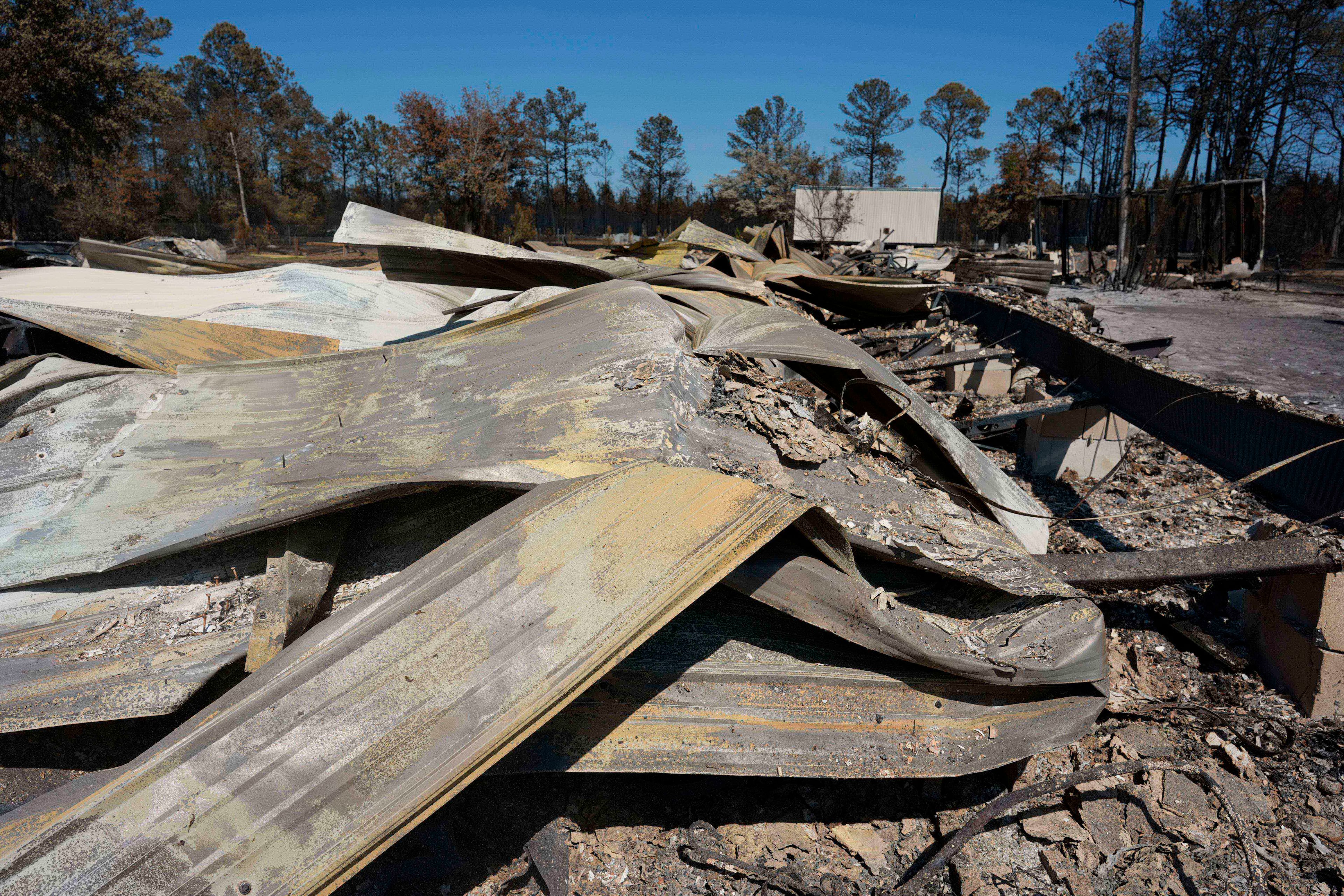
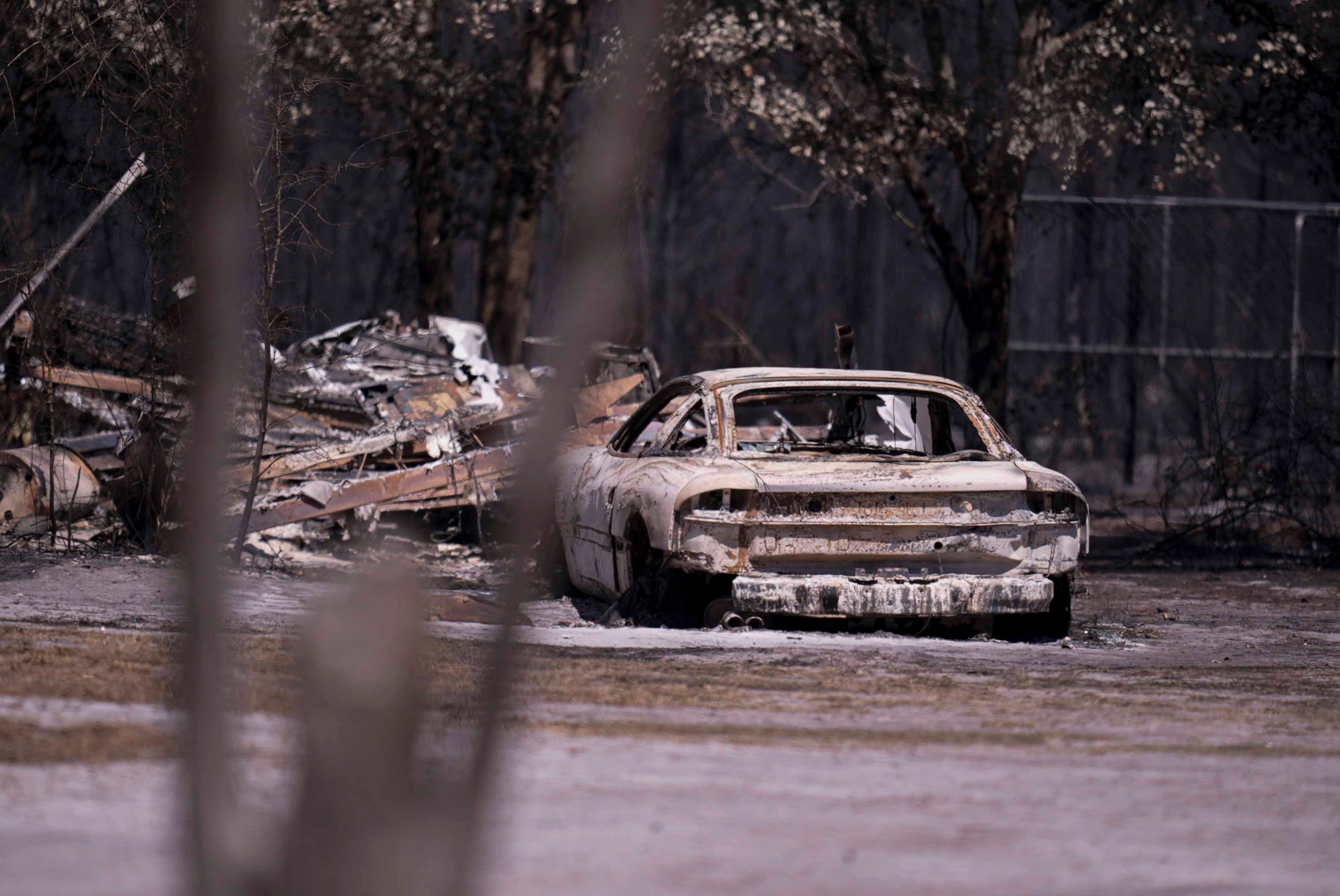
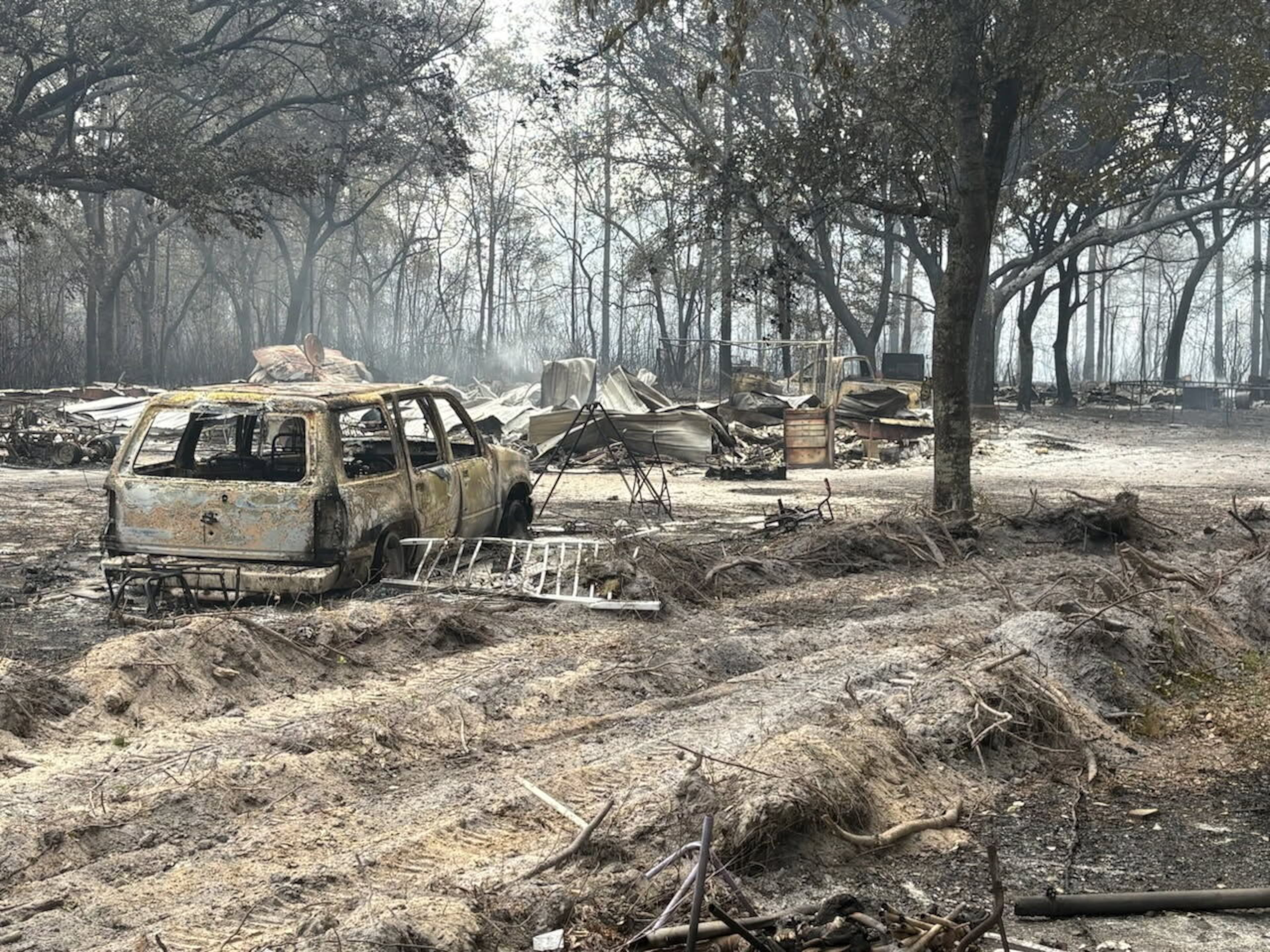
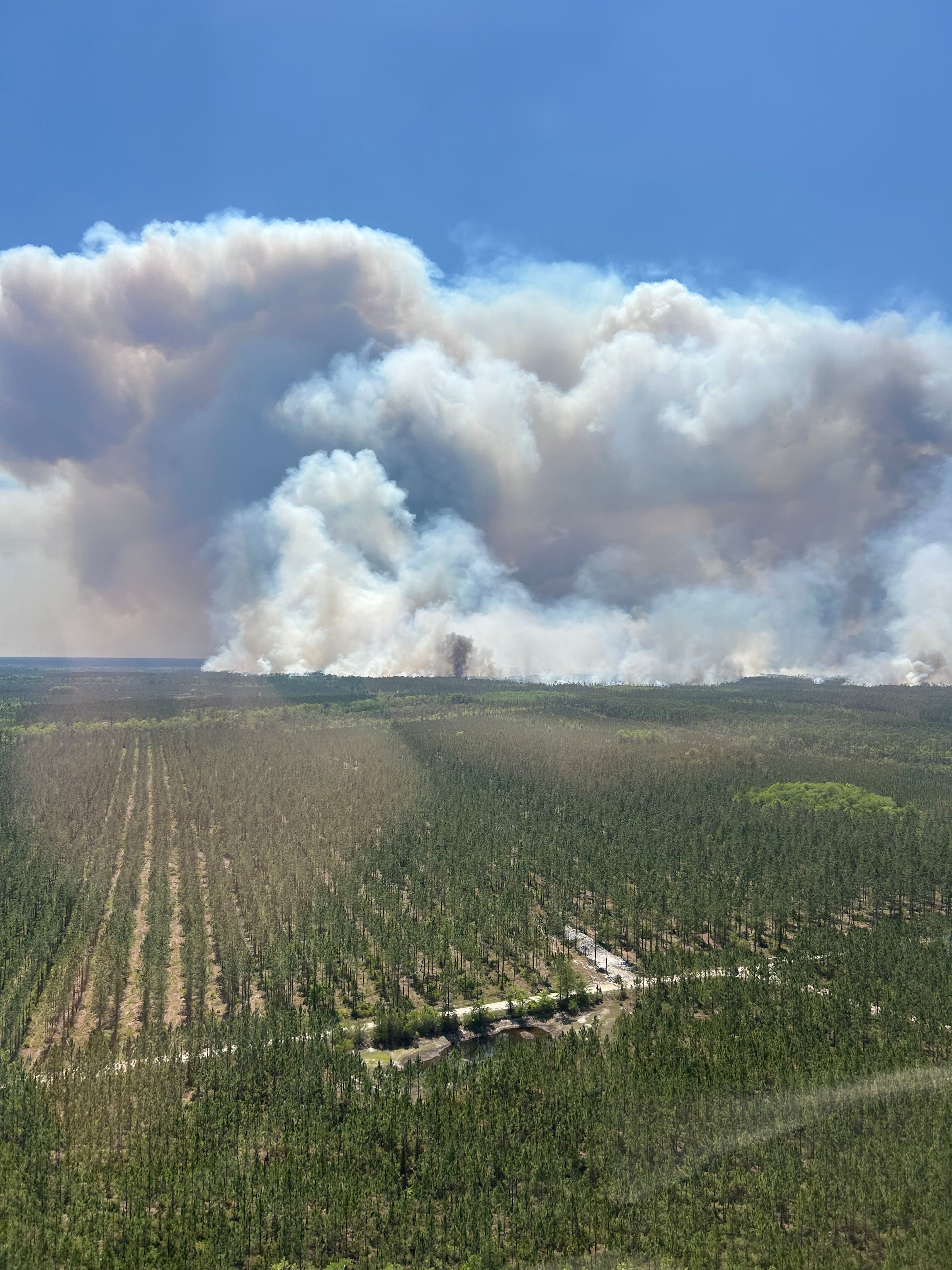
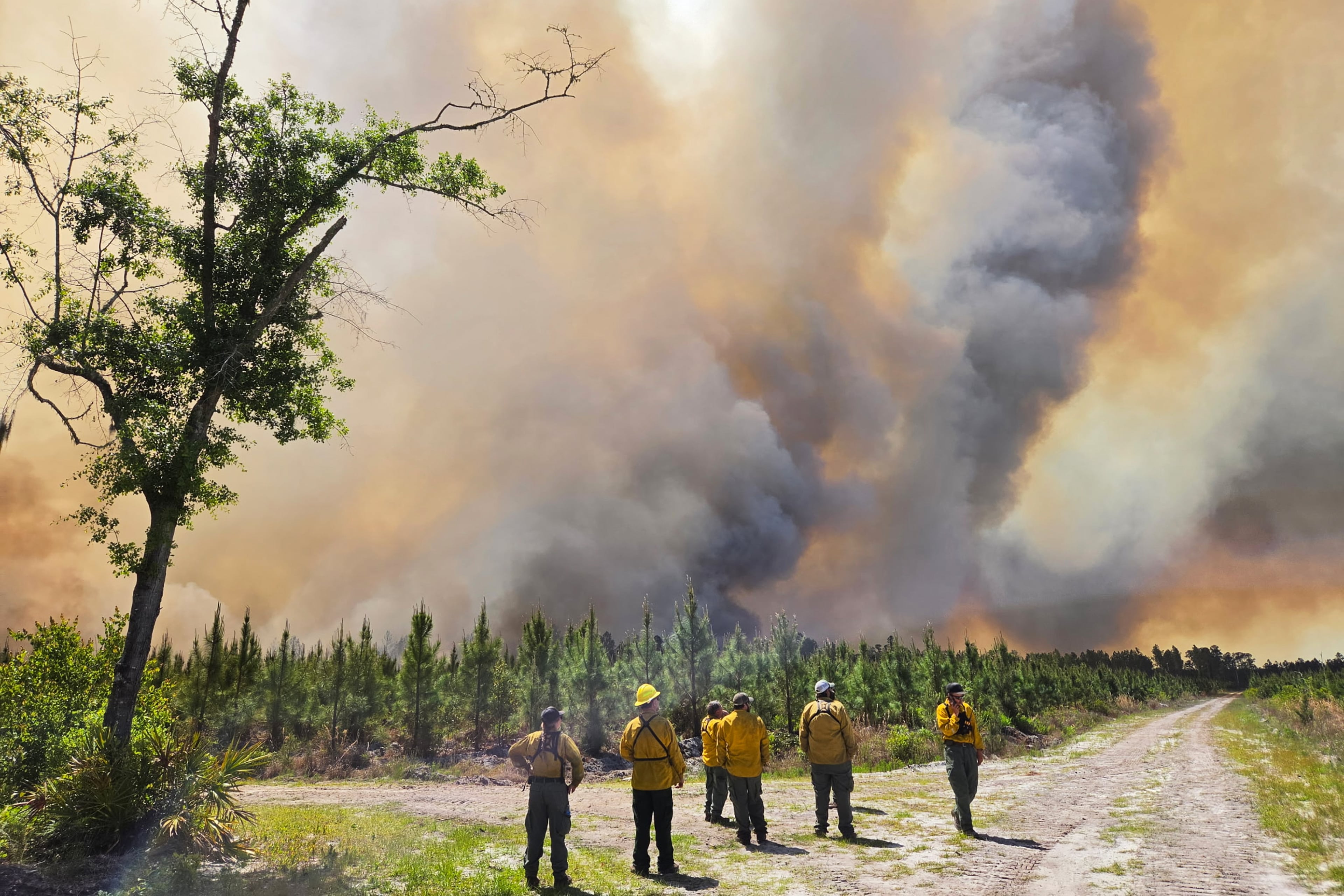
The Highway 82 fire in Brantley County has grown substantially since earlier in the week, destroyed about 90 homes and continues to threaten several hundred more. Kemp will survey the damage Friday and meet with first responders while being joined by various state officials.
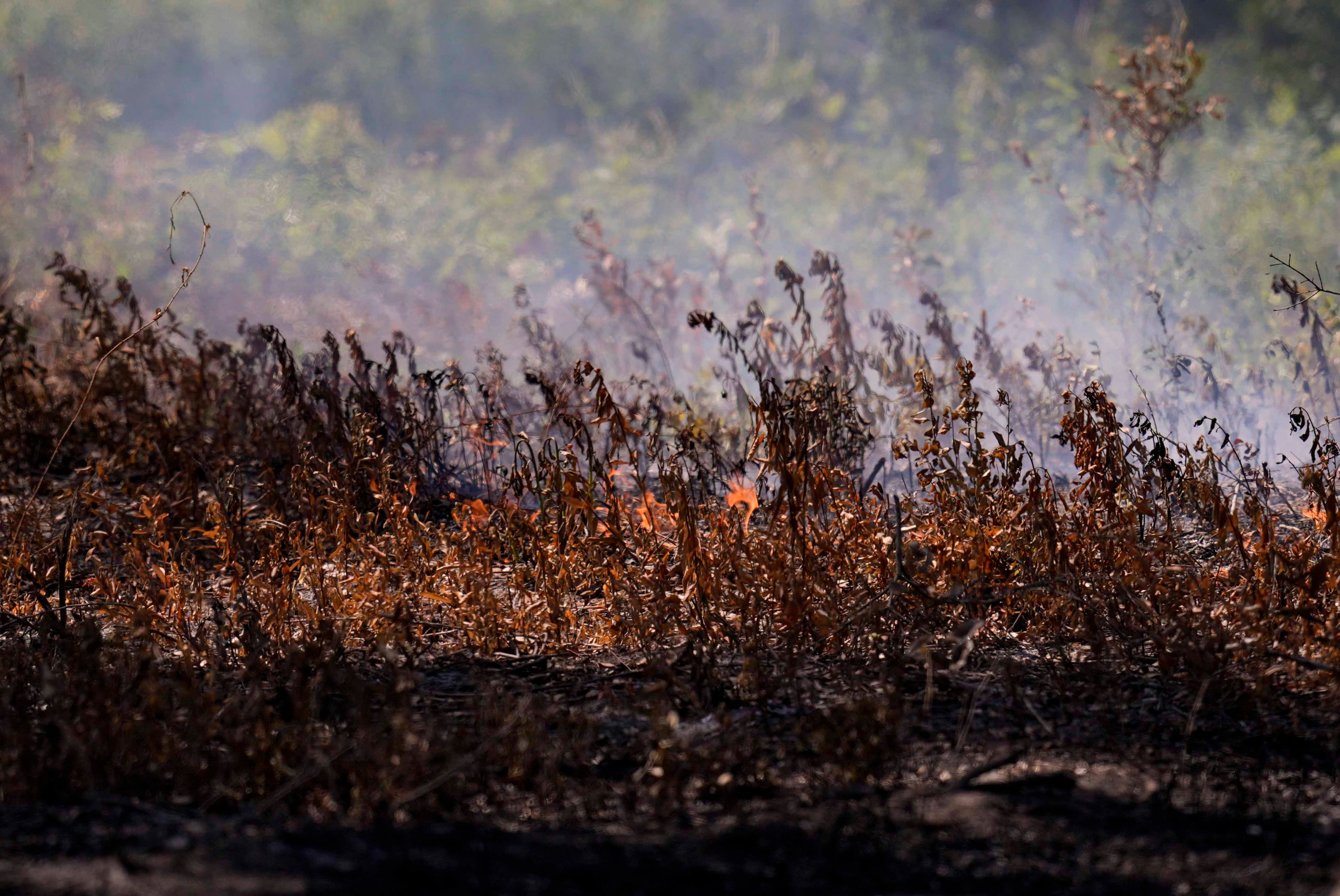
According to the Georgia Forestry Commission, just over 38,000 largely rural acres have burned, and officials have responded to more than 90 wildfires across the state within the past seven days. The largest contributors to that total acreage are the Brantley fire and another in Clinch County.
Smaller fires have popped up this week in North Georgia, including one in Haralson County that grew to about 30 acres Thursday afternoon before it was fully contained.
Kemp issued a state of emergency executive order for 91 counties below metro Atlanta as crews battle blazes north of Jacksonville, Florida, and west of Savannah. The order allows for the National Guard to be deployed to areas affected by wildfires.
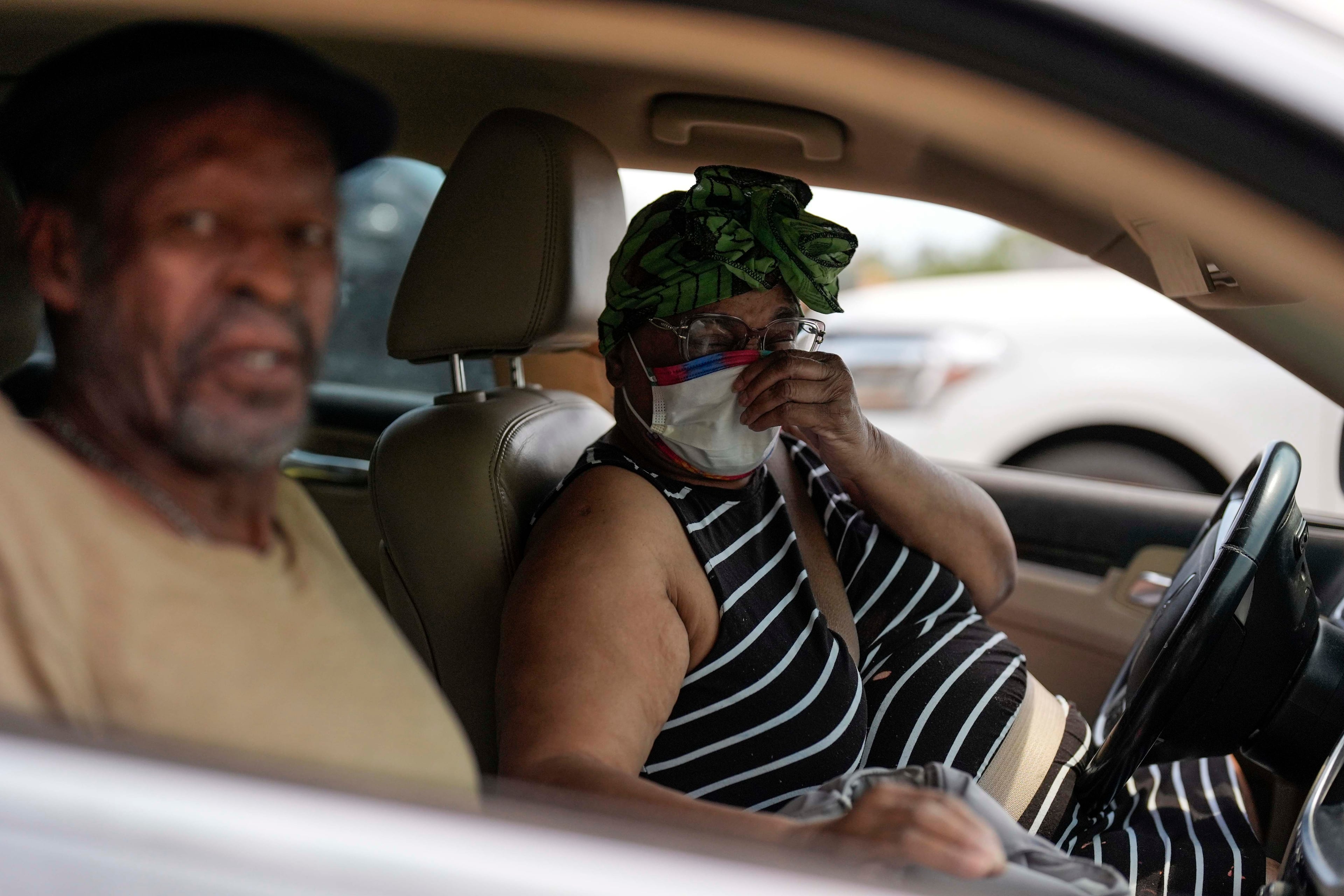
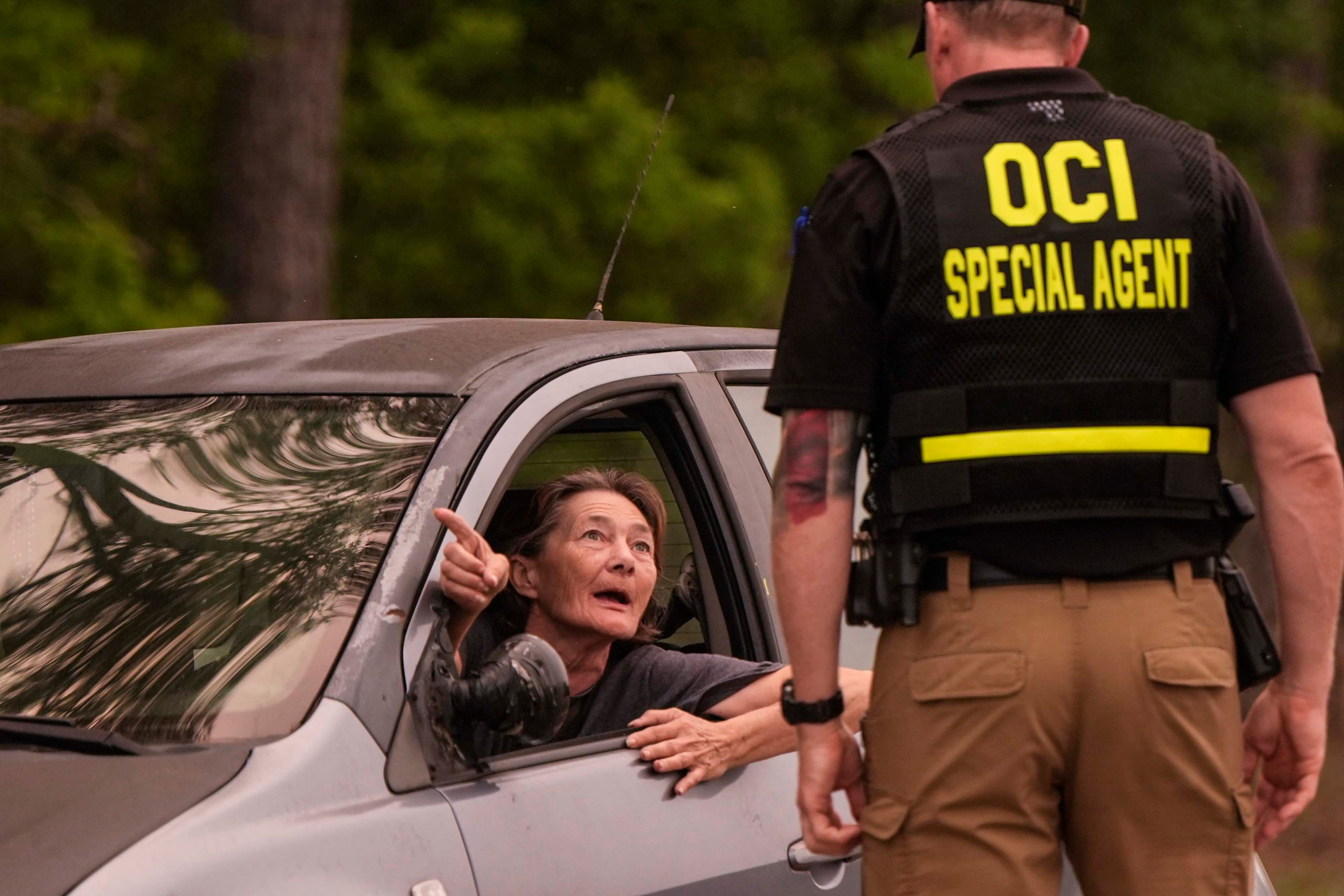
Across the state, no fire fatalities have been reported, though locals have been forced to evacuate when the wildfires threaten their safety.
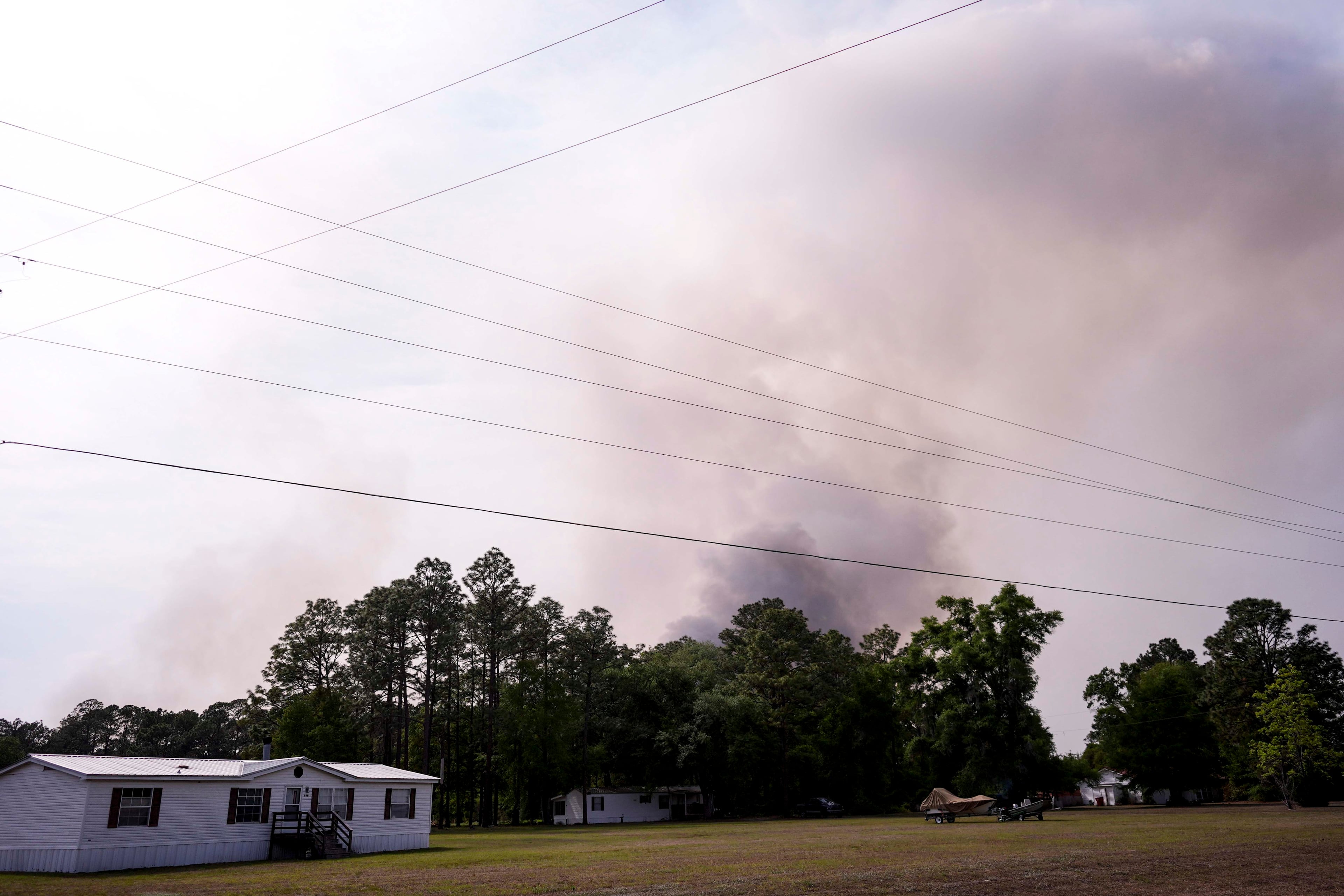
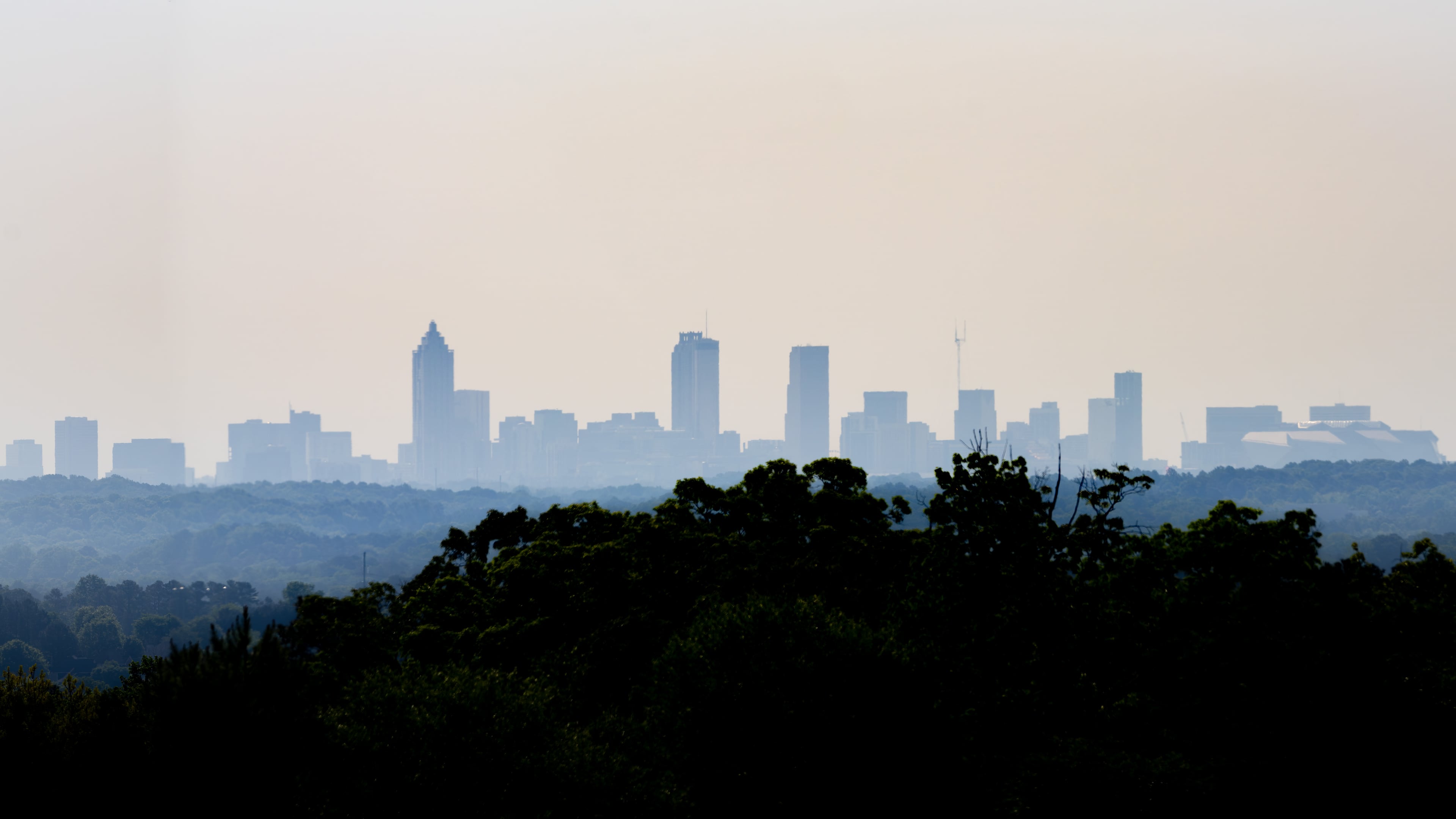
In Atlanta, a hazy veil has at times been visible and smelly. Those conditions are caused by smoke coming from fires in South Georgia and in Florida’s Big Bend area. The shroud is expected Friday afternoon and evening, according to the National Weather Service.
Here’s what to know about the wildfires in South Georgia and the impact in metro Atlanta.
Air quality in Atlanta
The city’s air quality hovered at “moderate” Friday morning. The air quality has the potential to spike and plummet depending on changes to wind patterns through the evening.
Atlanta is expected to continue to see “moderate” air quality throughout the day, according to the U.S. Air Quality Index. The primarily pollutants are ozone and particles from combustion and wildfires. Under such conditions, those who are “unusually sensitive” to ozone and particle pollution should consider reducing outdoor activities.
It’s an improvement from conditions Thursday, when there was a “Code Orange” alert issued.
Some areas outside the metro — especially the state’s southeast corner, cities along the South Carolina state line and Middle Georgia around Macon — have reached levels deemed unhealthy at times.
Rural Brantley County wildfire
About 15% of the Highway 82 fire in Brantley was contained by Friday morning. That wildfire began Monday.
Seth Hawkins, a forestry commission spokesperson working out of the county, said officials estimated the blaze to be about 5,500 acres earlier Friday, but as of late morning he’s “not surprised if it’s over 7,000 acres.”
Conditions have intensified as winds pushed the fire west and north. The spread has threatened additional homes near the Satilla River.
Shortly after 11 a.m., the sheriff’s office sent an alert about a mandatory evacuation for those on Browntown Road to Old Post Road at Ga. 32 to Ga. 110.
“Wind will determine what happens today. We do anticipate that this wind could shift and it could move the fire in a different direction,” said county manager, Joey Cason.
Beginning at 8:30 p.m. Friday, areas impacted by the blaze will be under a curfew until 6:30 a.m. Saturday. Until the fire is under control, a nightly curfew will continue to be enforced, Cason said.
Humidity will drop below 30% and winds will be coming from the southwest through the day, creating conditions for increased fire activity, the sheriff’s office stated.
Hawkins said fire crews are not counting on any rain to help much, if it comes at all.

The National Guard has not been deployed to the area, but Hawkins said officials with the Federal Emergency Management Agency arrived Thursday evening. Those federal officials will assist so that local leaders who have been helping with various efforts can get back to their normal jobs.
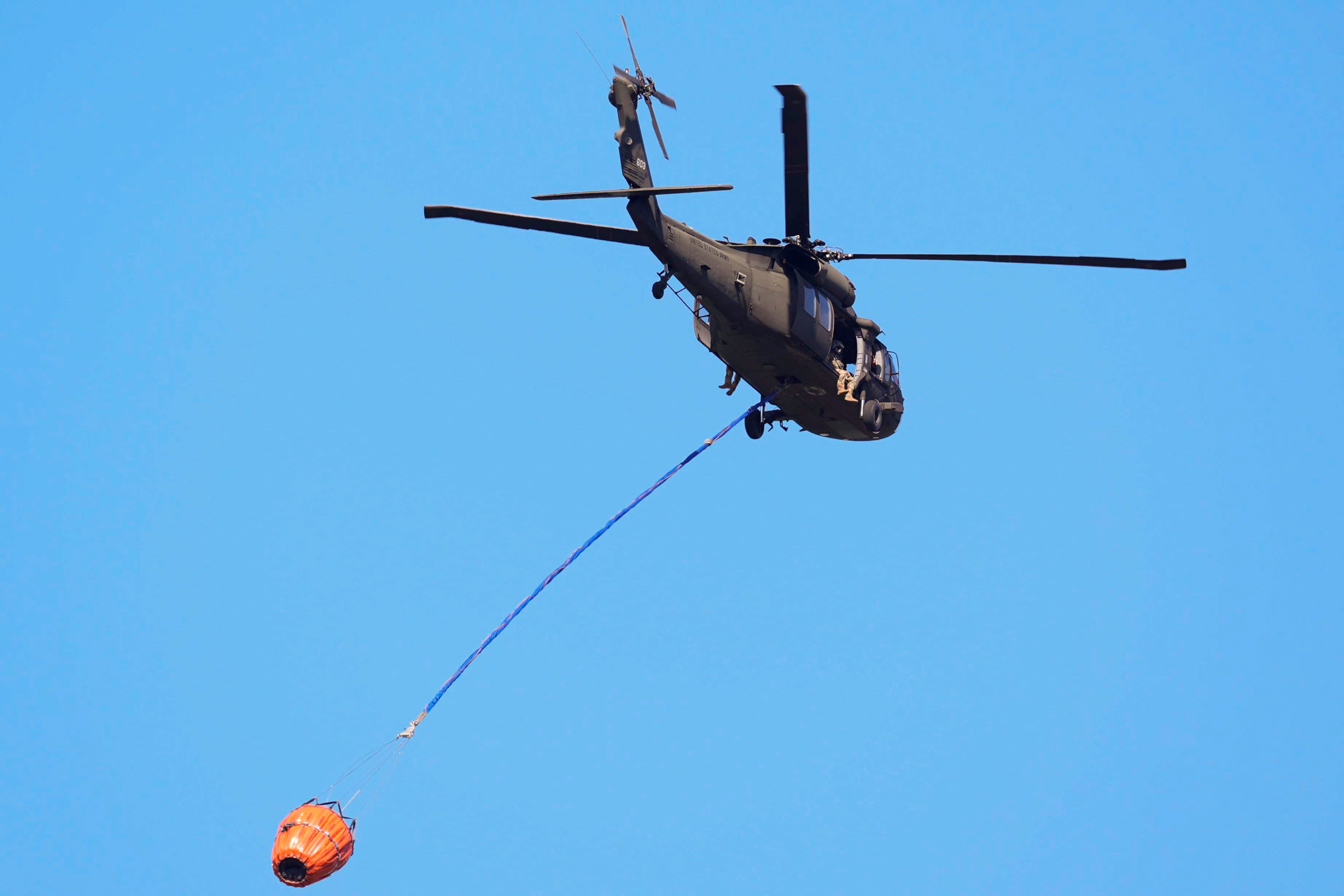
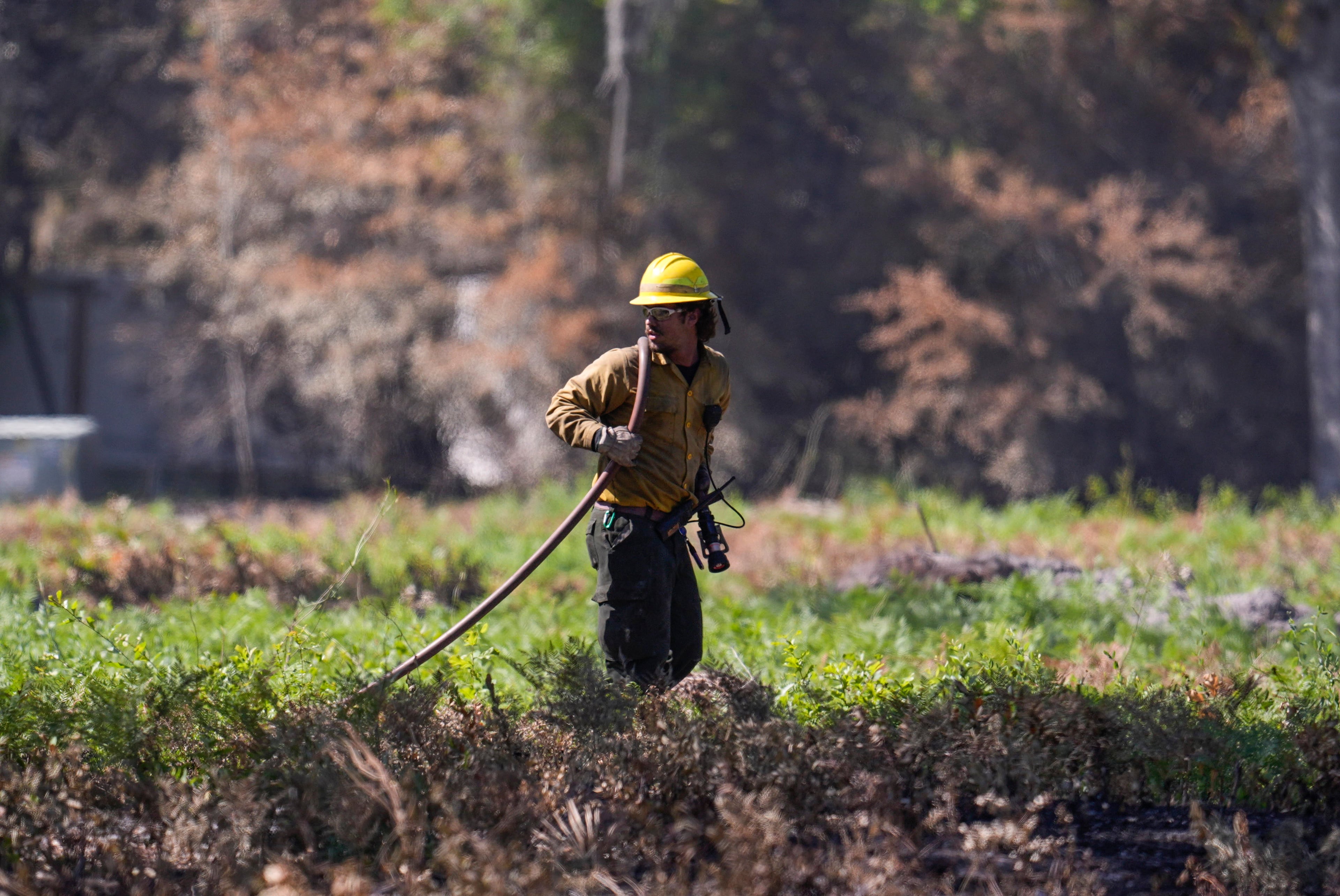
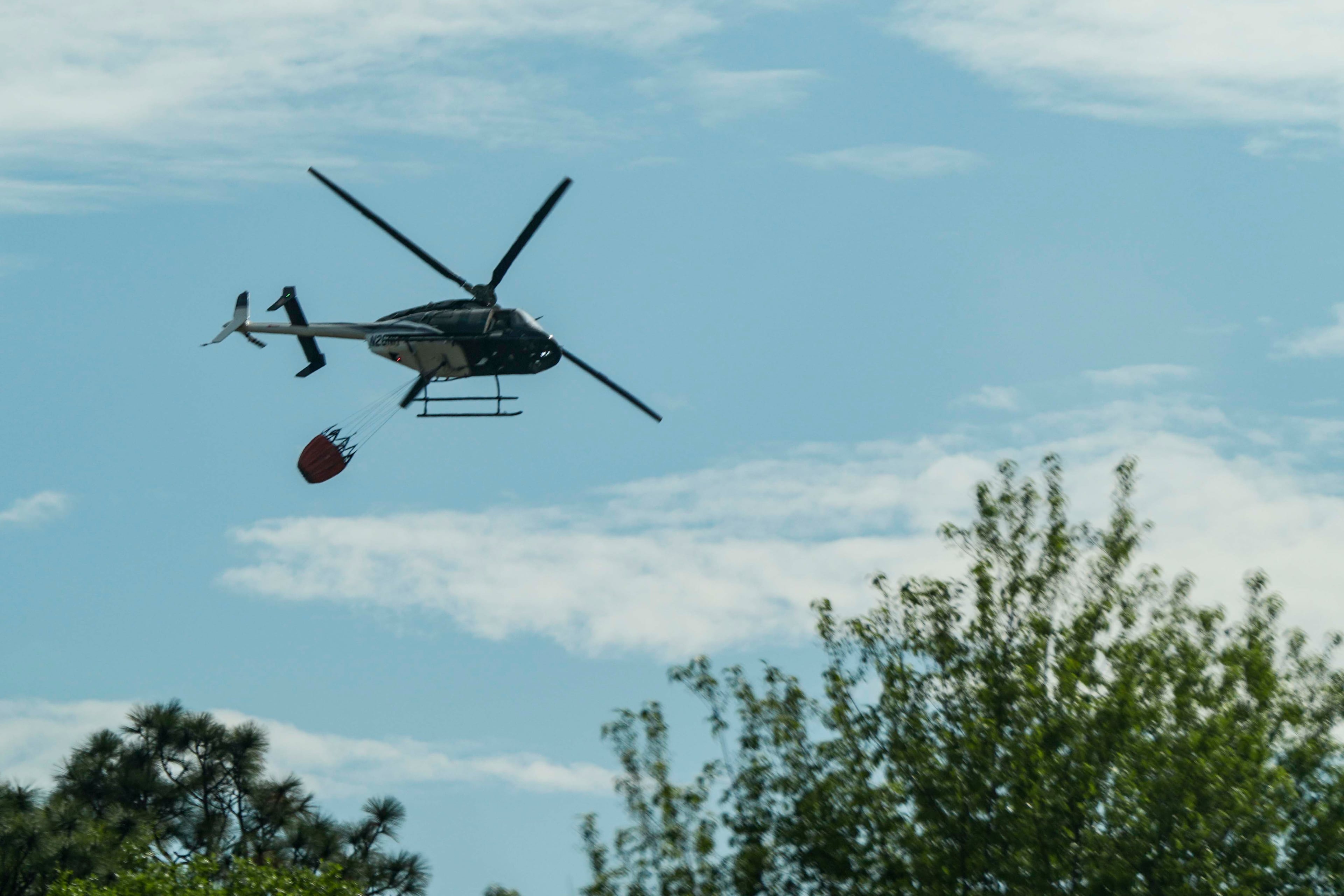
Firefighters from across South Georgia, the state’s forestry commission, the Georgia Department of Natural Resources and Georgia State Patrol continue to help. Crews are using bulldozers to plow fire breaks to prevent the fire’s spread. Firefighters are on the ground with brush trucks, and helicopters and a single-engine air tanker are dropping water.
Kemp told reporters earlier this week that officials believe it started after a balloon landed on a power line.
The fire was considered 75% contained at one point Tuesday, before shifting winds pushed the blaze in a new direction. Cason previously noted the fire grew from 700 acres to more than 4,000 within hours of that wind change. He said the rapid spread resulted in emergency crews rescuing residents from their front porches as the flames approached.
Clinch County wildfire
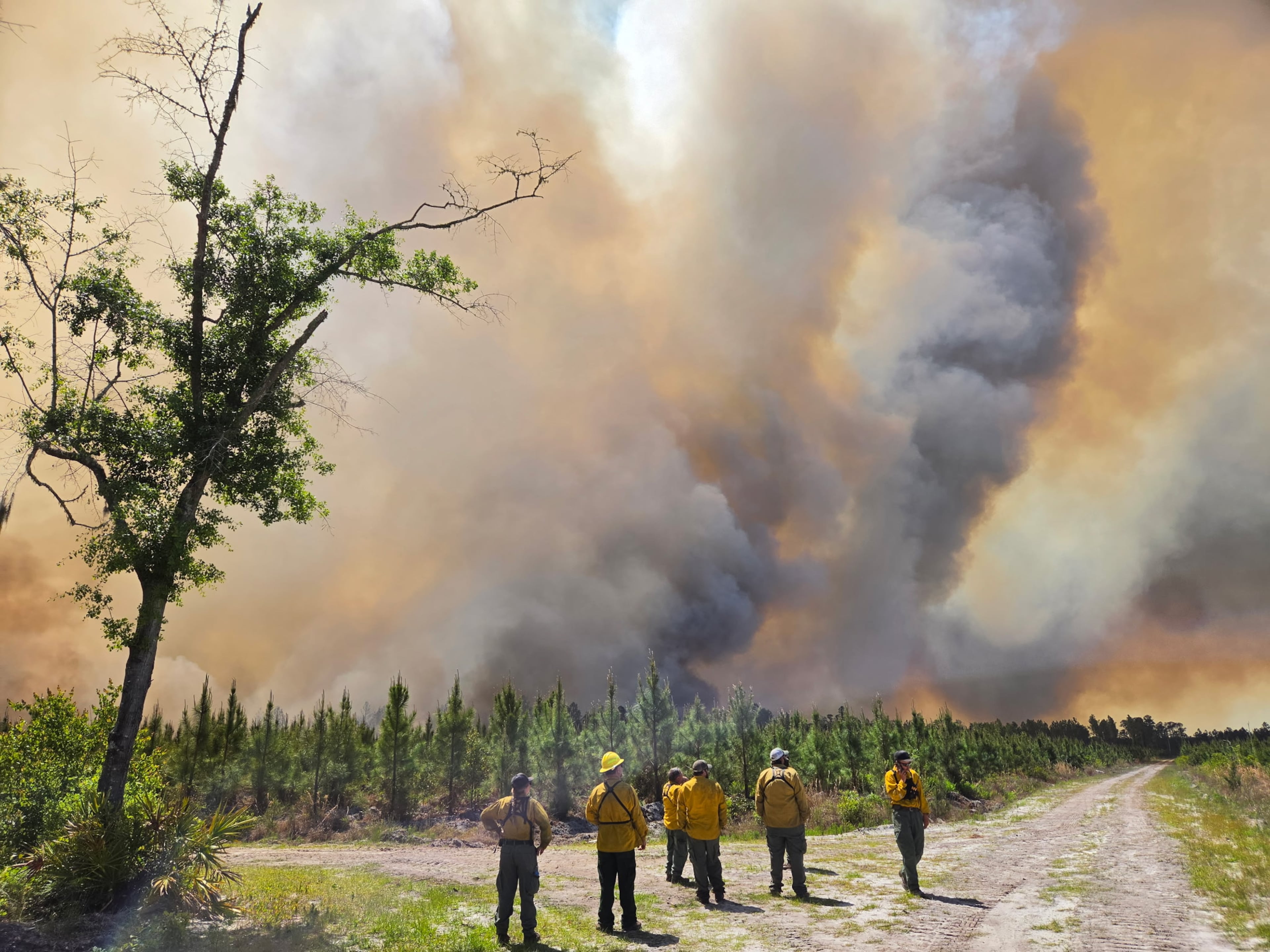
More than 30,000 acres — including woodlands, swamps and bays — are being affected in the Pineland Road fire in Clinch and Echols counties. Only about 10% of the fire was contained by Friday morning, according to the forestry commission.
Officials believe it began Saturday by “someone who was doing some welding,” Kemp said.
Forestry commission spokesperson Don Thomas, who is working from the area, said fire activity remained “very active” and difficult to control. In a Friday news release, Thomas warned the combination of low humidity, ongoing drought, dry vegetation and shifting winds are likely to sustain the blaze’s intensity.
DNR spokesperson Haley Chafin confirmed the National Guard is helping with “aerial suppression operations” at that fire, which can involve dropping water from helicopters or other aircraft to slow the spread.
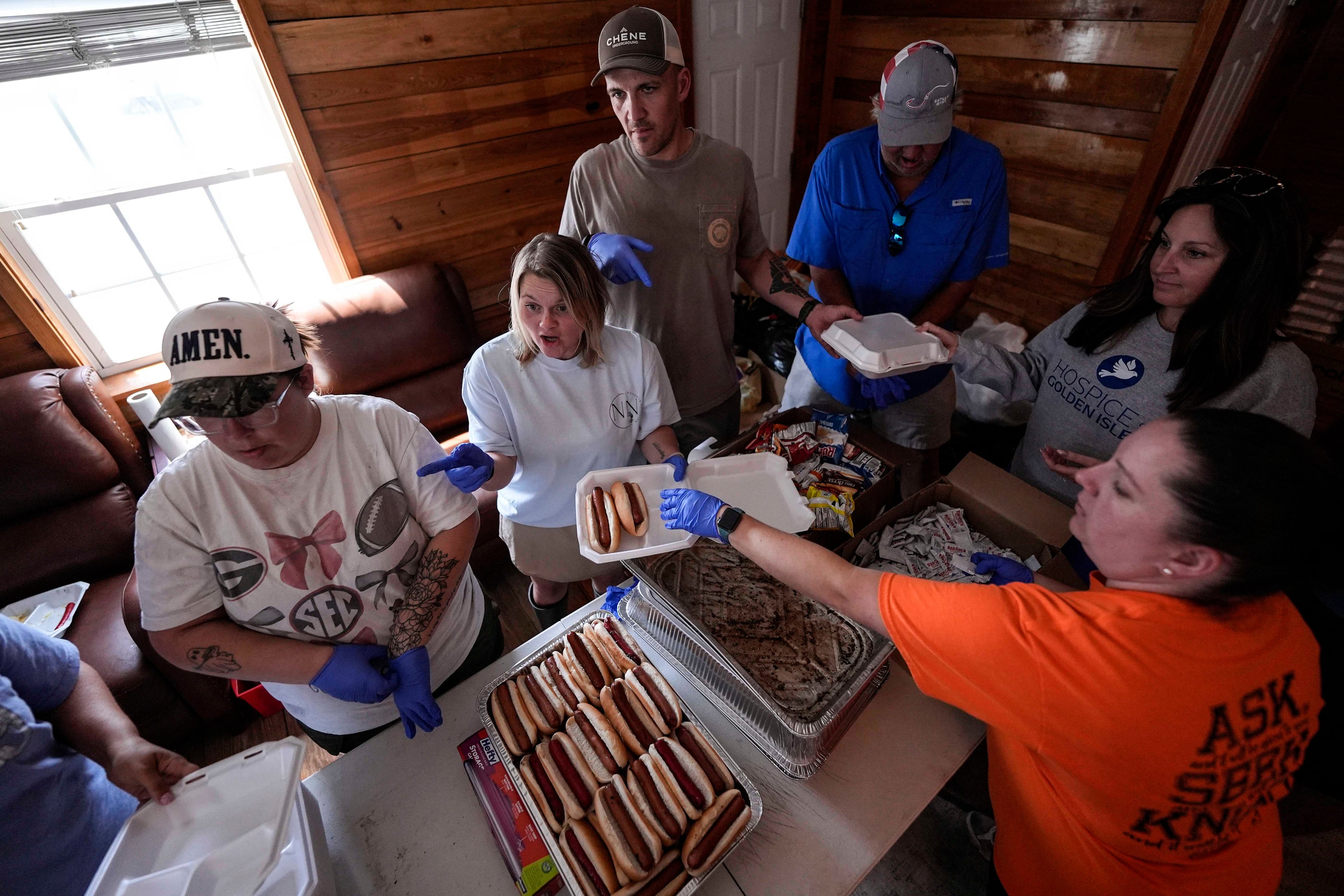
Thomas Holloway described the feeling in Clinch earlier this week as “weird and eerie” as smoke cloaked the community. Holloway, pastor at Free Will Baptist Church in Homerville and a school bus driver, has helped lead efforts to collect supplies for firefighters and has guided groups praying for rain.
“(The wildfire is) just sitting out there, and you’re wondering if it’s coming or not, or if it’s going to go somewhere else,” Holloway said. “At the same time, you’re worried about everybody else that’s in the path, worried about your friends and your church family.”
About 140 residents in neighboring Echols County were forced to evacuate or move to a shelter since the fire entered the county Monday, local officials said. Nearly 160 structures are threatened. Officials said hunting camps, timber and agricultural resources and bee production operations are at risk.
Intense drought conditions
Most of Georgia is under an extreme drought, with parts of South Georgia under an exceptional drought. Such conditions led the Georgia Forestry Commission to sign a burn ban for the same counties as Kemp’s emergency order.
“We need everyone to take this situation seriously,” Johnny Sabo, director of the Georgia Forestry Commission, said in a news release. “GFC’s wildland firefighters are responding daily to a near-record number of wildfires. It’s critical to remember that just one spark or ember can ignite a life-threatening wildfire.”
The active burn ban, said to be necessary to “preserve life and property because of unusually hazardous conditions,” will expire May 22. It’s active for areas south of metro Atlanta, running from Harris to Columbia counties and to the Florida state line.
This is the first time in the state’s history the forestry commission has ordered a burn ban, Kemp said. Bartow, Cherokee, Henry, Polk and Troup counties issued their own burn bans because they were not included in the state agency’s wider ban.
Georgia’s drought continues to worsen. The Weather Service said most of the state is under high fire danger conditions, meaning any fire that develops could spread quickly.
The NWS said this is the largest drought coverage in nearly 20 years. And without meaningful rain expected in the coming months, dry conditions will continue through the summer.
Although rain is anticipated on Saturday, with chances continuing through early next week, it’s not guaranteed all of Georgia will see it before the end of April.
An extended period of rain is needed to put a dent in the drought. Though, some areas in North and Middle Georgia may experience decent rainfall that could lead to “slight improvements” in drought condition, the Weather Service said.

Where to get more information
— Staff writers Adam Van Brimmer in Savannah, Fletcher Page in Athens and Cassidy Alexander contributed to this report.
About the Author