Giant pandas are coming back to Zoo Atlanta after 2-year hiatus
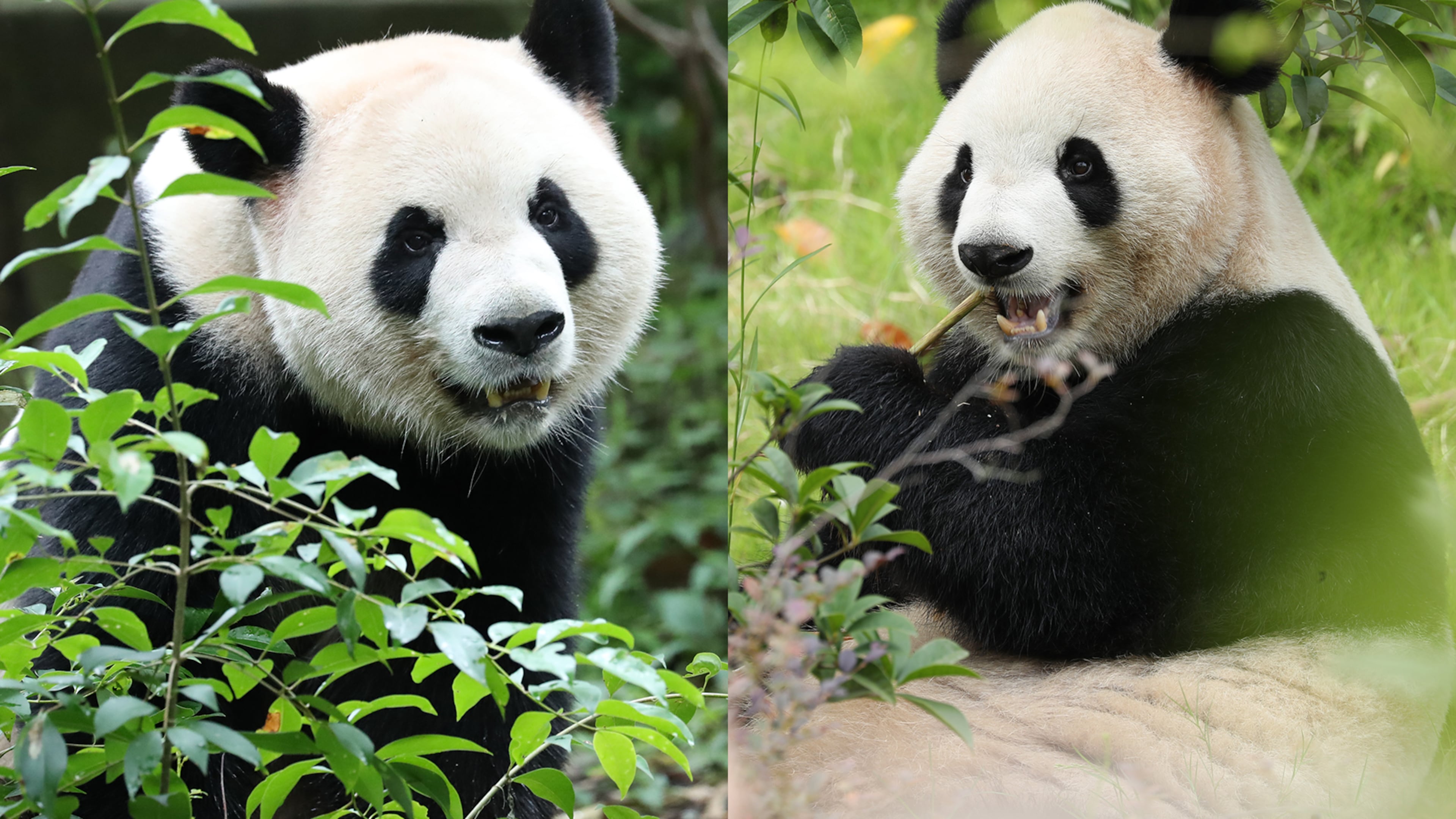
Two new cuddly black-and-white giant pandas will soon be en route to their new home in Atlanta, Zoo Atlanta announced Thursday.
The beloved pandas departed the zoo in 2024 after a 25-year conservation partnership came to an end. Now, visitors to the zoo will soon once again enjoy seeing new giant pandas.
The zoo is welcoming 6-year-old male Ping Ping and 5-year-old female Fu Shuang as part of a new 10-year international cooperative research agreement on giant panda conservation with the China Wildlife Conservation Association.

Raymond B. King, the zoo’s president and CEO since 2010, said he expects the pandas to arrive later this year, though it’s too soon to say exactly when.
In 2024, Atlantans said goodbye to pandas Lun Lun and Yang Yang who had lived at the zoo since they arrived as 2-year-old cubs in 1999. They and their two offspring went back to the Chengdu Research Base of Giant Panda Breeding after a big farewell celebration dubbed “Panda-Palooza” that fall. (That research center is also where Fu Shuang and Ping Ping resided.)
“This is a celebration not just for Zoo Atlanta but for the city and the state,” King said. “It’s an honor to be one of only three zoos in the country to house giant pandas. We are planning a fun celebration when they arrive.”
This new agreement wasn’t a surprise. Zoo leadership previously told the AJC that they were hopeful Atlanta would have the opportunity to again become panda hosts in the future. Since the middle of last year, the zoo has been upgrading and renovating its panda living quarters in anticipation of new arrivals.
“It’s been the worst kept secret at the zoo,” King said. “But it became a blessing in disguise. We could not have renovated the space if we didn’t have this break.”
He noted that the panda compound is taking up the same real estate “but both the animal area and the guest area will be different. Not only will people come to see two new bears but a new experience.”
Zoo Atlanta, for about a year, was the only zoo in North America to have giant pandas. But the San Diego Zoo in the summer of 2024 welcomed Yun Chuan and Xin Bao, the first pandas to arrive in the United States in 21 years. Soon after, the National Zoo hosted Bao Li and Qing Bao, who made their public debut in January of last year.
For both the National Zoo and the San Diego Zoo, about seven months elapsed between the time the announcements were made and when the pandas were available to be seen by the public following a required quarantine period.
The absence of giant pandas for Zoo Atlanta marked a major juncture: the first time in a quarter century the zoo operated without the popular pandas, which were reliable visitor magnets and goosed merchandise sales as well.
Their absence was immediately felt. Zoo Atlanta’s attendance, which reached almost 1 million people in 2024, fell below 900,000 last year, King said.
“Some of that may be panda-related but we may have also been impacted by the economy and weather,” he said. “My hope is we’ll hit 1 million next year when we have a full year of pandas.”
The partnership between Zoo Atlanta and China was also beneficial for China. Zoo Atlanta contributed $17 million over 25 years to panda conservation work in China, which has built more than 65 panda reserves. Pandas were upgraded from endangered to vulnerable in 2016 by the International Union for Conservation of Nature.
Yang Yang and Lun Lun, the original giant pandas lent to Zoo Atlanta in 1999, produced five litters and seven surviving cubs. The China Wildlife Conservation Association said this was the best breeding result among all of China’s international giant panda agreements at different zoos in Europe and the United States over the past half century.
Ping Ping and Fu Shuang are at about the right age to begin breeding, King said.
“Pandas are our signature biggest conservation investment,” King said. “Panda conservation has been one of the best success stories for global collaboration in dealing with endangered species.”
And while this initial agreement runs 10 years, he hopes the journey for Ping Ping and Fu Shuang will be comparable to that of their predecessors. “In the past, we were able to get five-year extensions,” he said. “Our intent is for this to be another 25 years.”
About the Authors


Rodney Ho writes about entertainment for The Atlanta Journal-Constitution including TV, radio, film, comedy and all things in between. A native New Yorker, he has covered education at The Virginian-Pilot, small business for The Wall Street Journal and a host of beats at the AJC over 20-plus years. He loves tennis, pop culture & seeing live events.