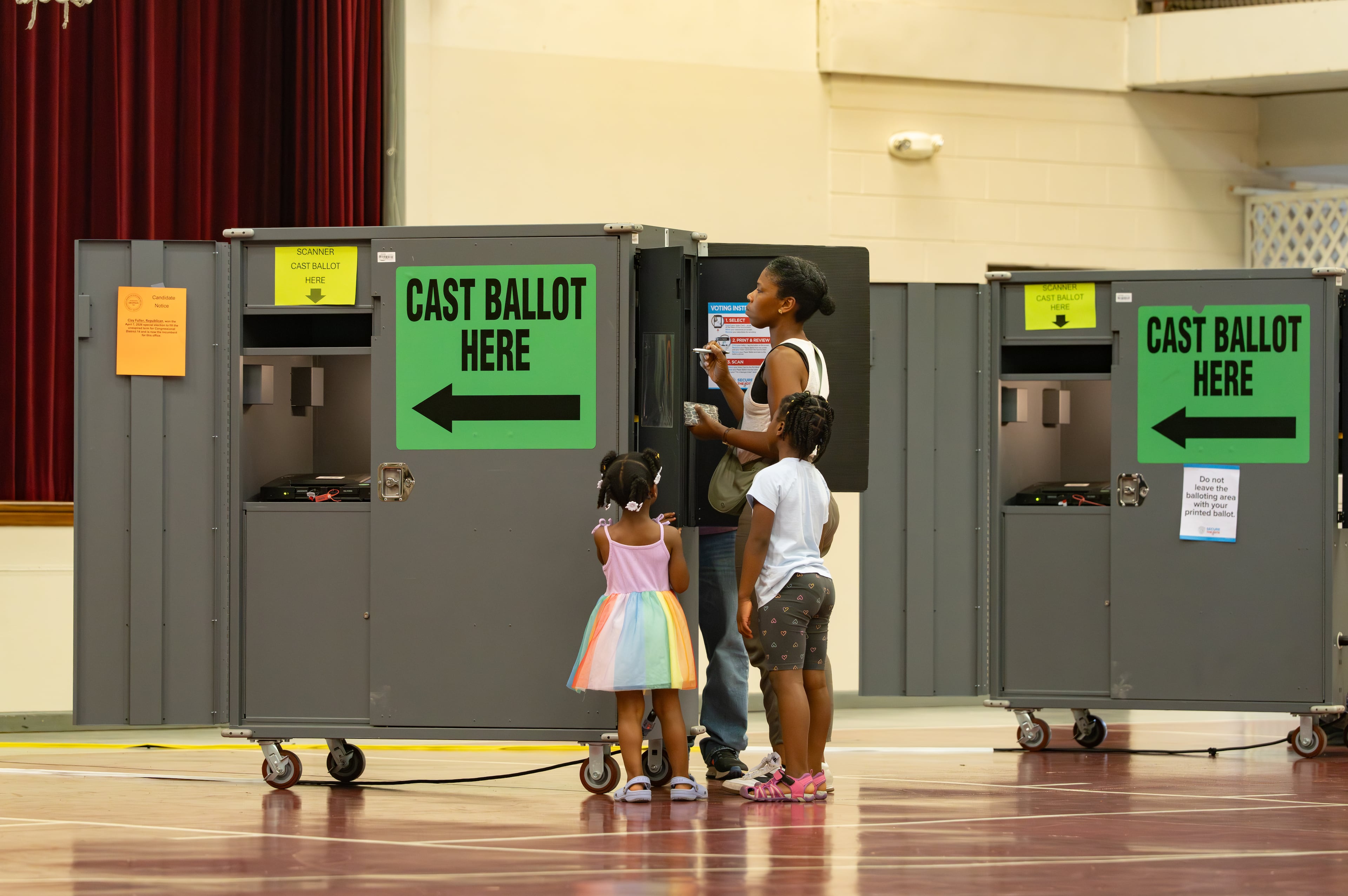
Redistricting push in Georgia and beyond is a direct assault on Black voters
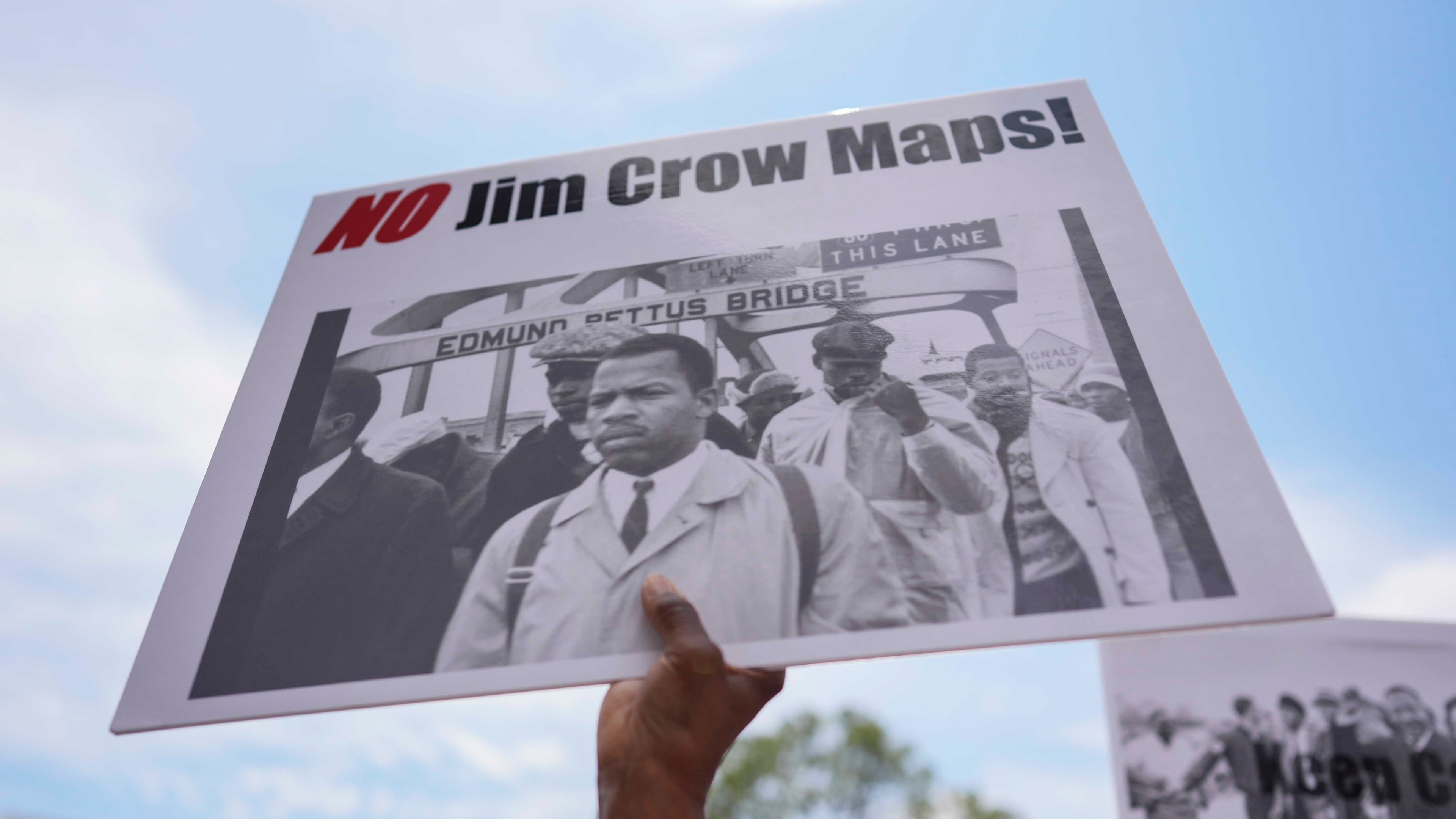
Birthdays have a way of forcing reflection upon us. They bring celebration, gratitude and perspective, while also compelling us to take inventory of how far we’ve come and how far we still have to go.
As I reflected recently while celebrating my birthday in Ghana — a place deeply connected to the story of African American resilience and liberation — I found myself struggling with a strange emotional contradiction. Just days ago, I spoke in Montgomery, Alabama, sacred ground in the fight for voting rights and civil rights for African Americans; and only days later, back home in Georgia, Black women like Keisha Lance Bottoms and Tanya Miller were winning major primary victories for governor and attorney general, representing the very progress generations bled, prayed and organized for.
And that is what feels so difficult to process.
How can we simultaneously celebrate significant political progress while still fighting to protect the most fundamental right in a democracy — the right to vote? How can America applaud Black political ascension while legislative maneuvering and redistricting schemes quietly work to dilute Black political power at the same time?
That contradiction defines the moment we are living in right now — in Georgia and across America.
For generations, America conditioned Black people to recognize threats when they arrived loudly — with burning crosses, snarling dogs and water hoses turned on peaceful assemblies staking their claim on the American dream. We were taught to fear assaults on democracy when chaos was visible.
But what happens when democracy is not attacked with violent mobs, but with legislative process?
What happens when civil rights are not stolen with pistols and masks, but through maps, meetings and shady movement behind closed doors?
That is the danger confronting us now.
It feels like we’ve gone backward

Across this nation, and specifically here in Georgia, we are witnessing a deliberate effort to reduce the political power of African Americans and marginalized communities through voter suppression tactics, judicial maneuvering and redistricting schemes designed to weaken hard-fought gains.
While America remains consumed with outrage cycles, celebrity scandals, partisan theater and social media trends, political power is quietly being rearranged underneath our feet. This is the new algorithm of distraction: Keep people emotionally exhausted while democracy is reshaped in real time.
It seems that 2026 showed up dressed like 1955.
The tools of fracturing freedom and dismantling democracy may look different from the Civil Rights era, but the objective feels painfully familiar. Today’s assault on democracy does not require bully racists like Bull Connor; it uses smiling MAGA partisans like Govs. Greg Abbott of Texas and Brian Kemp of Georgia and carefully crafted legislation sophisticated enough to appear procedural while producing devastating consequences for communities historically oppressed and suppressed.
Rights once considered untouchable now appear negotiable. Legal precedents are being chipped away piece by piece until the extraordinary begins to feel normal.
But we dare not normalize it.
In America, voters are supposed to choose their representatives. The Republicans, in fear of losing their majorities in D.C., want the representatives to pick their voters. It is immoral, illegal and blatantly un-American. It is retribution dressed up as reform.
And while Gov. Kemp has carefully cultivated the image of a measured conservative, his willingness to reopen redistricting debates feels less like leadership and more like political calculation. It sends a dangerous message that the rules of democracy can be adjusted whenever the ambitions of the powerful are in play.
The Jan. 6, 2021, insurrection horrified the nation because the attack was visible. But the greater long-term threat to democracy may be the quieter one unfolding in courtrooms, legislative chambers and statehouses across America. One sought to overturn democracy through rage. The other attempts to reshape it permanently through strategy.
Both threaten democracy and the integrity of this nation.
And let me be clear: This is not simply a Black problem. This is an American problem.
This moment calls for moral clarity
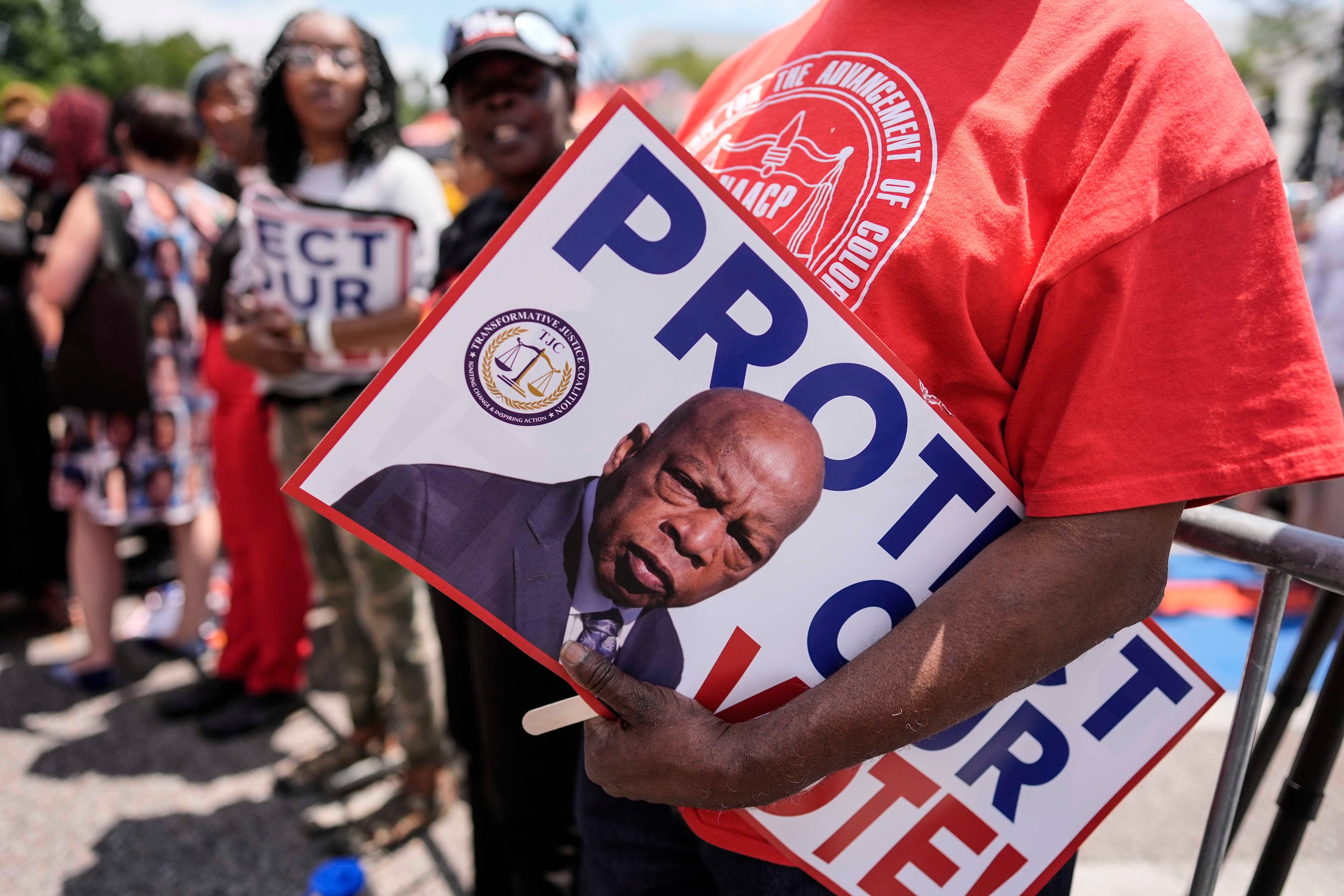
As America approaches its 250th anniversary, every person of conscience — no matter their race or political affiliation — should be outraged that so much energy is being spent restricting democratic participation rather than expanding it.
A democracy should never fear its voters.
And before anyone dismisses concerns about redistricting as simply Black voters wanting Black representation, history tells a different story. African Americans have consistently supported candidates of every race when those candidates reflect our shared values. Yet in 250 years of American history, this nation has produced only three elected Black governors, 11 Black U.S. senators and one Black president. The numbers speak for themselves.
These attacks on representation and voting rights cannot be met with complacency. The franchise is sacred. It was secured through sacrifice, courage and bloodshed. But civil rights protections only endure if each generation remains willing to defend them.
Our response must move beyond performative outrage. Tweets alone are not enough. Viral commentary is not enough. Symbolic frustration without organized strategy only benefits those dismantling democracy in plain sight.
This moment requires moral clarity, coalition building, legal advocacy, voter mobilization and intergenerational organizing.
Because the question before America is bigger than party affiliation. It is whether this nation still believes democracy belongs to the people — or whether temporary power and allegiance to the current occupant of the White House trumps decency and America’s promise of liberty and justice for all.
History is watching how we answer.
Jamal-Harrison Bryant is the senior pastor of New Birth Cathedral in Stonecrest. He is a noted author, philanthropist, social organizer and civil rights leader.
Send letters to the editor of 250 words or fewer with your name, city or town and contact information to letters@ajc.com.
More Stories
The Latest