How AI is used in Hartsfield-Jackson’s vast surveillance camera network
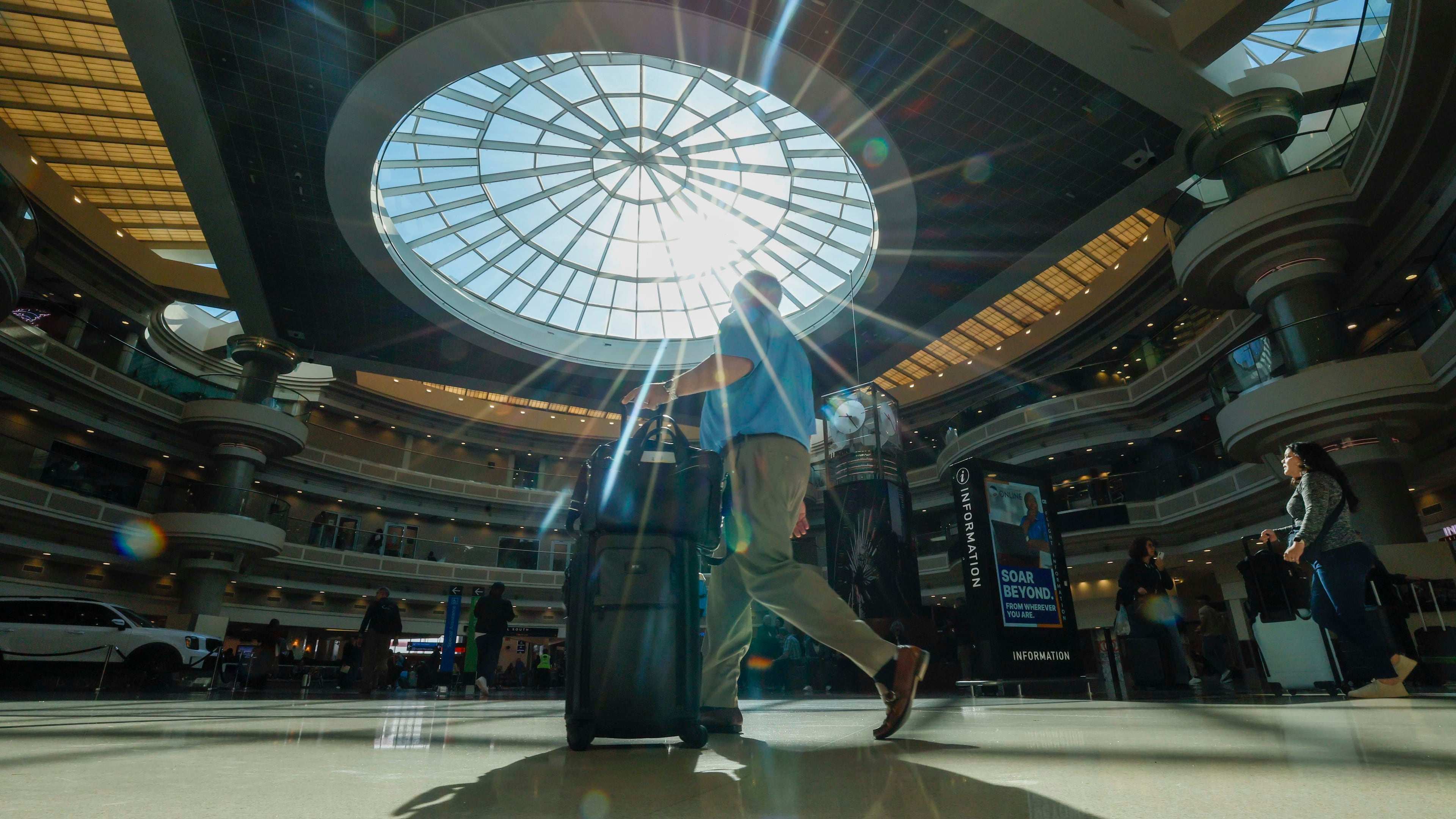

About 7,000 cameras monitor the world’s busiest airport 24/7, and now artificial intelligence is being used in key areas to quickly spot security concerns and other issues.
AI is sharpening the focus of thousands of those cameras in some of the busiest areas of Hartsfield-Jackson Atlanta International Airport — the terminals and curbside.
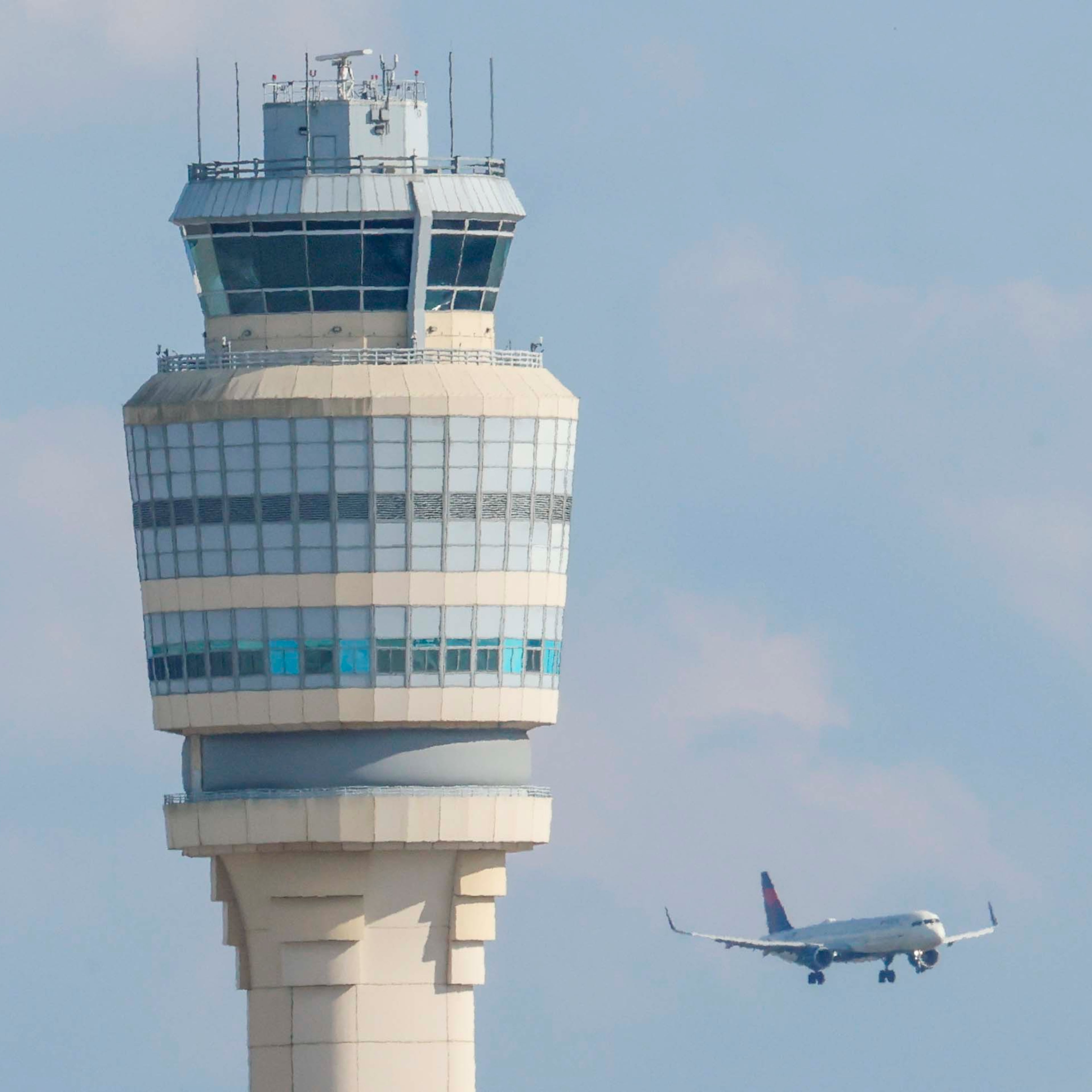
“It’s very important to us and our security professionals to ensure we have eyes on every inch of this airport,” said Chris Crist, chief information officer at Hartsfield-Jackson. All told, the airport’s terminal complex spans 7.7 million square feet, or the size of nearly five Lenox Square malls.
If there’s an unattended bag and a man is seeing running away from it wearing a red hat and a blue jacket, for example, security teams were “manually looking at every camera, and you’re trying to find this person with your own eyes,” Crist said.
Now, with the airport’s “AI overlay” on existing video feeds from its security camera system, “You can put in those characteristics, and the AI will find those characteristics,” Crist said.
It’s part of a $4 million investment by the airport into new technology, including biometric hardware improvements, technology infrastructure and the AI-powered video analytics.
Faster response to incidents
Since the computer vision technology was put in place in June, the airport’s security team says it has reduced its response time to some incidents to a quarter of the time previously required.
The system is being used to help law enforcement and security find footage for investigations, and to find video footage in response to open records requests.
Another key way the airport is using the technology is detecting when a car is waiting at the curbside for too long. That could be someone waiting to pick up a passenger and hoping no one notices how long they’re parked at the curb — or it could be seen as a potential security threat.
And when the curbside gets congested from parked cars, that can also back up traffic, Crist noted.
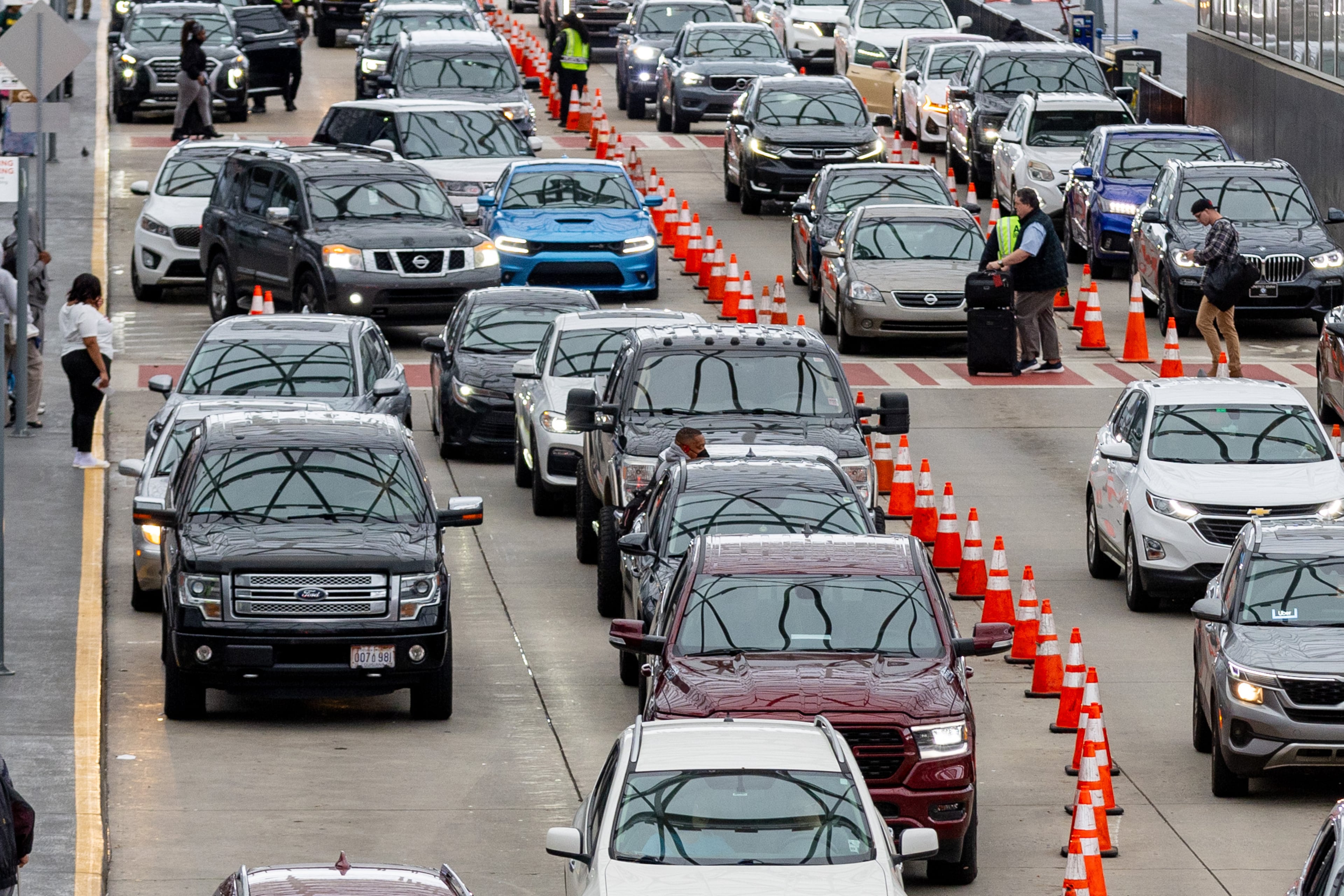
Now motorists can’t just rely on looking around to make sure no one in uniform is monitoring the vehicle flow at the curbside.
With the AI overlay, “If there’s a vehicle that’s somewhere for, you know, a certain duration of time, the security professionals will know quite a bit faster,” Crist said. They’ll be able to call down “and say, ‘Hey, a car is sitting there for too long. Make sure you get on that.’”
The technology could also potentially be used to find lost children, Crist said, by searching for, say, a small child wearing a yellow jacket and a red backpack.
And eventually, the airport could also use the technology to understand passenger flows and backups at security checkpoints, he said.
It could also be used to more quickly respond to Plane Train and SkyTrain disruptions, according to the airport.
Recognizing objects versus faces
But the use of AI on a video surveillance network in an airport can raise concerns, particularly for privacy protection. There are no cameras in airport restrooms, but there are in the rest of the airport public areas, according to Hartsfield-Jackson.
Crist said “this AI overlay, it will not be able to recognize who you are as a person.”
After the deployment of AI-powered biometric technology at Hartsfield-Jackson’s international terminal in 2018 made it the first “biometric terminal,” Devin Liddell, principal futurist at design consulting firm Teague, wrote that AI can solve for some of the most intractable problems frustrating passengers at airports.
“But this likely won’t be a glitch-free parade into a utopian future, and artificial intelligence represents some serious threats to passenger privacy as well as the potential for unanticipated misuses,” he added. The question is how to design AI-powered systems “that balance individual privacy and the collective good.”
Crist said the AI overlay at Hartsfield-Jackson is “simply recognizing objects. It’s recognizing, ‘Oh, that is a human being. That is a face. That is a hat. That is a shirt.’”
“We’re not going to be recognizing biometrics via this method. You know, we’re not going to know who you are through this AI overlay,” he said. “Today, what we’ve installed does not have the capability to do that.”
Future AI expansion
The AI overlay on Hartsfield-Jackson’s security camera network was launched with a focus on the terminals and the curbside, and not on the airport’s seven concourses and the rest of the airport, Crist said.
While AI can also be used on surveillance camera feeds for perimeter security, the airport is first working on boosting its connectivity on the outskirts of the airport property with installation of a “fiber loop,” Crist said.

All of the airport’s cameras, Wi-Fi access points, cellular connectivity and security access control connect to the airport’s digital backbone, run through fiber, he said. With increased connectivity, the airport is putting in fiber around its grounds.
“The intention is to continue to scale this technology across our entire airport,” Crist said.