DeKalb deputy charged with Flock camera misuse; more Georgia officers fired
A DeKalb County Sheriff’s Office deputy has been fired and also faces criminal charges after authorities said he misused the agency’s license plate reader system.
Additionally, three Fayetteville police officers are out of a job after the department said Friday they looked up their own tag numbers or those belonging to people they know.
They join a growing list of Georgia law enforcement officers who have recently been terminated or criminally charged for allegedly misusing the widespread surveillance technology.
In DeKalb, former Sgt. Kabiru Salawu, a nearly 17-year sheriff’s office veteran, was arrested Friday and charged with a felony violation of oath by a public officer and misuse of license plate data, a misdemeanor, according to the agency.
The sheriff’s office said the unauthorized use was uncovered following an internal investigation, which it did not detail in a news release.
“The misuse of law enforcement technology or confidential information for any unauthorized purpose is a serious breach of the public’s trust and will not be tolerated. When misconduct is identified, we act swiftly, hold those responsible accountable, and remain committed to the highest ethical standards,” Sheriff Melody M. Maddox said in a statement.
Salawu, 55, was booked into the DeKalb jail Friday evening and remained in custody Saturday morning, according to online records.
The Fayetteville officers, whose names were not disclosed, were fired after their unauthorized searches were discovered “during the activation and testing of a new internal auditing feature,” Fayetteville police said.
As has happened in other cases, Fayetteville’s department said auditing tools meant to strengthen oversight of the surveillance system flagged the police officers’ activity.
An internal investigation was launched after the audit “identified what appeared to be license plate searches inconsistent with the system’s authorized use,” the Fayetteville police department said in a news release announcing the firings.
A spokesperson declined to name the three former officers or say how long they had been with the department.
“The activity identified during the audit revealed that the employees searched their own license plates or those of a family member/acquaintance, and not random members of the public,” the department said, noting the searches were made with no “legitimate law-enforcement purpose.”
While no charges have been filed, a GBI spokesperson confirmed Fayetteville police alerted the state agency, which is now investigating.
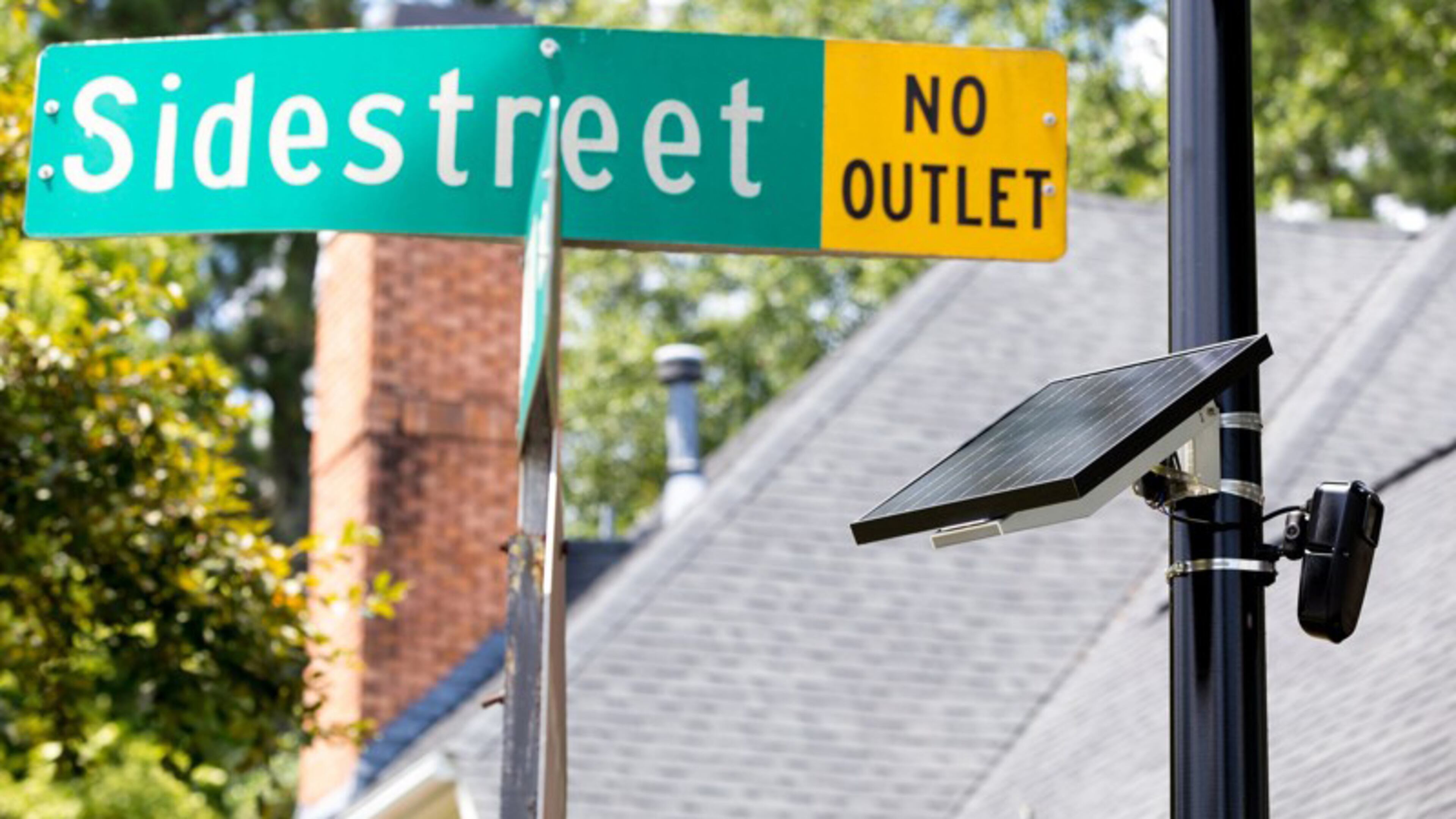
Flock Safety, the Atlanta-based manufacturer of the license-plate readers, has come under immense scrutiny in recent months over what critics view as an invasive surveillance system knitted together through a network of cameras frequently mounted on poles, streetlights and overpasses.
Some cities have abandoned their Flock contracts amid the growing concerns about what is done with the data collected.
Flock in April rolled out a new “audit assistance” feature that automatically flags searches that seem suspicious and alerts a police department’s leaders, the company told The Atlanta Journal-Constitution last week.
An off-duty officer searching Flock’s database would be an example of the type of activity that could trigger a notification.
The new feature is available to all police departments that use Flock, but for now, it is something they have to choose to turn on, the company said. It wasn’t immediately clear if Fayetteville police were using the new feature when the department discovered the searches that led to the recent firings.
Flock has an estimated 140,000 active users accessing data each month and says the majority of those searches are appropriate.
“We trust law enforcement to do the right thing. And the vast, vast majority of them do,” said Josh Thomas, chief communications officer for Flock. “(But) if there’s corruption within the police department, that needs to be outed and those people need to be held accountable.”
Flock’s network includes more than 120,000 cameras across 49 states, according to the company’s website. Those license plate readers make an estimated 20 billion scans each month, capturing the license plate number and other characteristics of every vehicle that passes by its cameras.
At least seven other Georgia law enforcement officers were fired this month and charged with misusing the technology.
That includes a Henry County police officer who was fired and arrested last week following an investigation into his access of the Flock network, authorities there said.
Patrick Isbell, 41, was charged with misuse of license plate data on July 10 after an internal audit found he accessed the department’s system and “utilized the retained license plate data for non-law enforcement purposes,” an agency spokesperson said. That investigation is ongoing.
Isbell, in an email to the AJC, declined to comment on the specifics of his case but said he believes “there are substantial and legitimate questions” regarding his former department’s compliance with the law that regulates license plate readers.
“This is an evolving area of law, technology, privacy, and public accountability. When an agency relies on a statute to pursue criminal charges against an employee, the public has a legitimate interest in determining whether that agency followed the same law consistently and responsibly,” he said.
In June, three Cherokee County sheriff’s deputies and a Richmond County deputy were arrested after allegedly using the departments’ license plate recognition databases for non-law enforcement purposes. In November, the city of Braselton’s then-police chief resigned after the GBI said he misused the systems to harass and stalk multiple people.
Similar cases outside metro Atlanta include a Coffee County deputy accused of misusing license plate data and stalking, and an Echols County Sheriff’s Office secretary accused of using the agency’s Flock account to search tag information for two people she knew.
Fayetteville police called the license plate reader technology “an important public safety resource” that helps officers track down stolen cars, identify vehicles connected to criminal investigations and find missing people.
“Access to this technology carries a significant responsibility, and department policy strictly prohibits its use for any personal purpose,” the agency said in its statement.
Flock has long argued its technology helps deter crime because would-be criminals know they are being watched. Thomas said that same logic applies to police misuse of the data.
“If cops know that they will be caught, they are not going to commit these crimes,” he said.
— Staff writer Vanessa McCray contributed to this article.