5 things to know about Atlanta’s State of the District address

Atlanta Public Schools interim Superintendent Danielle Battle delivered the school district’s annual State of the District address Monday.
The event took place at the Junior Achievement Chick-fil-A Discovery Center at the Georgia World Congress Center. Battle, joined by members of her senior cabinet to tout the school system’s successes, used the opportunity to pinpoint areas that could be improved and unveil new initiatives.
Here are some key takeaways:
1. Safety is top of mind

The address took place less than a week after the shooting at Benjamin E. Mays High School, where police say a student shot four fellow students after a fight broke out. Battle credited the APS police department for its quick response to the incident, but said the responsibility to provide a safe learning environment isn’t theirs alone.
“It takes all of us to keep all of us safe,” she said. “It’s not just a police job. It’s not just the school’s job. Talk to your children, talk to your neighbors, talk to people at church, wherever you go. It’s going to take a village to make a difference.”
APS said security has been heightened as a result of the shooting.
2. There’s a renewed focus on literacy
Battle has made literacy her focus since her August swearing-in ceremony. Monday, she reiterated its importance.
“We are applying pressure in the areas of need,” Battle said. “Our main pressure point is literacy,” she said.
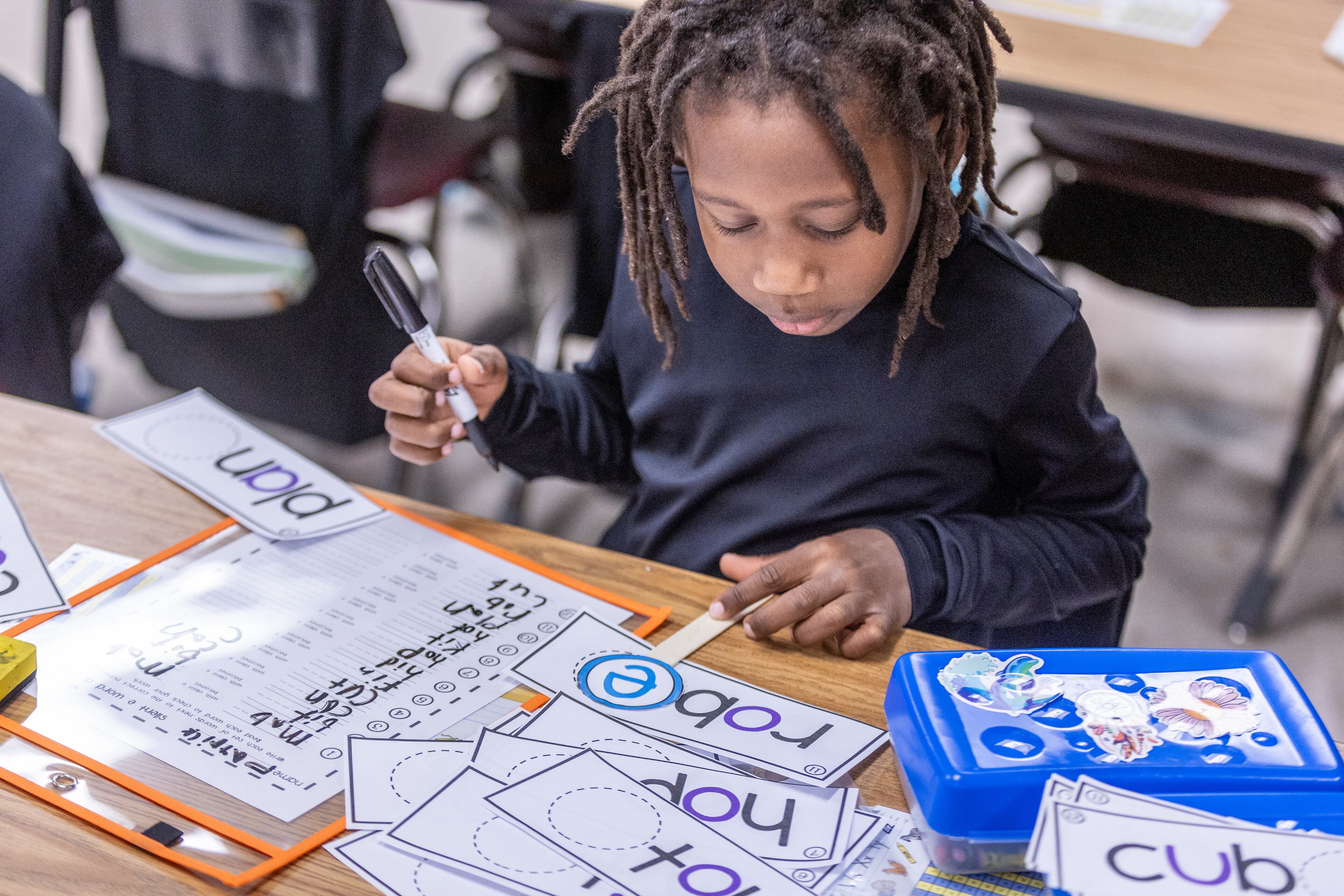
Battle announced an 18-month literacy training program for elementary teachers, principals and other administrators aligned with “the science of reading.” The body of research centers around teaching children to read phonetically. Teachers who pass the courses with a rate of 80% or higher will receive two stipends of $1,200; one halfway through the program and one at the end.
Eight APS schools are already piloting the program called Literacy and Justice for All.
3. APS has invested a lot of money in educators

APS allocated $59.3 million toward compensation this school year, and says the bulk of it went to teachers or school leaders. All employees will receive higher base compensation. Returning employees received raises between 6.5% and 8.4%. In addition, APS offered incentives of $3,000 for special education teachers and $5,000 for teaching math in grades 6-12 this school year. Chief Human Resources Officer Nicole Lawson said as a result, the district started the school year with just five teaching vacancies.
“In a competitive market, that is no easy feat,” she said. “This is a clear indicator that APS is the employer of choice … in Atlanta and beyond.”
4. The district will open a new center to serve families
Chief Academic Officer Yolanda Brown said the new center will be housed in the former Oglethorpe Elementary School building on Beckwith Street near Clark Atlanta University. She said it will offer social work, homeless services, counseling and health services.
“This will allow students and families easier access to services and supports,” Brown said. “Over the next few weeks and months, we will be conducting multiple stakeholder engagement sessions to determine the needs of our students and families in our community. Then we will align our resources and support accordingly.”
Brown said the center will open for the next school year.
5. APS buses are “going green”
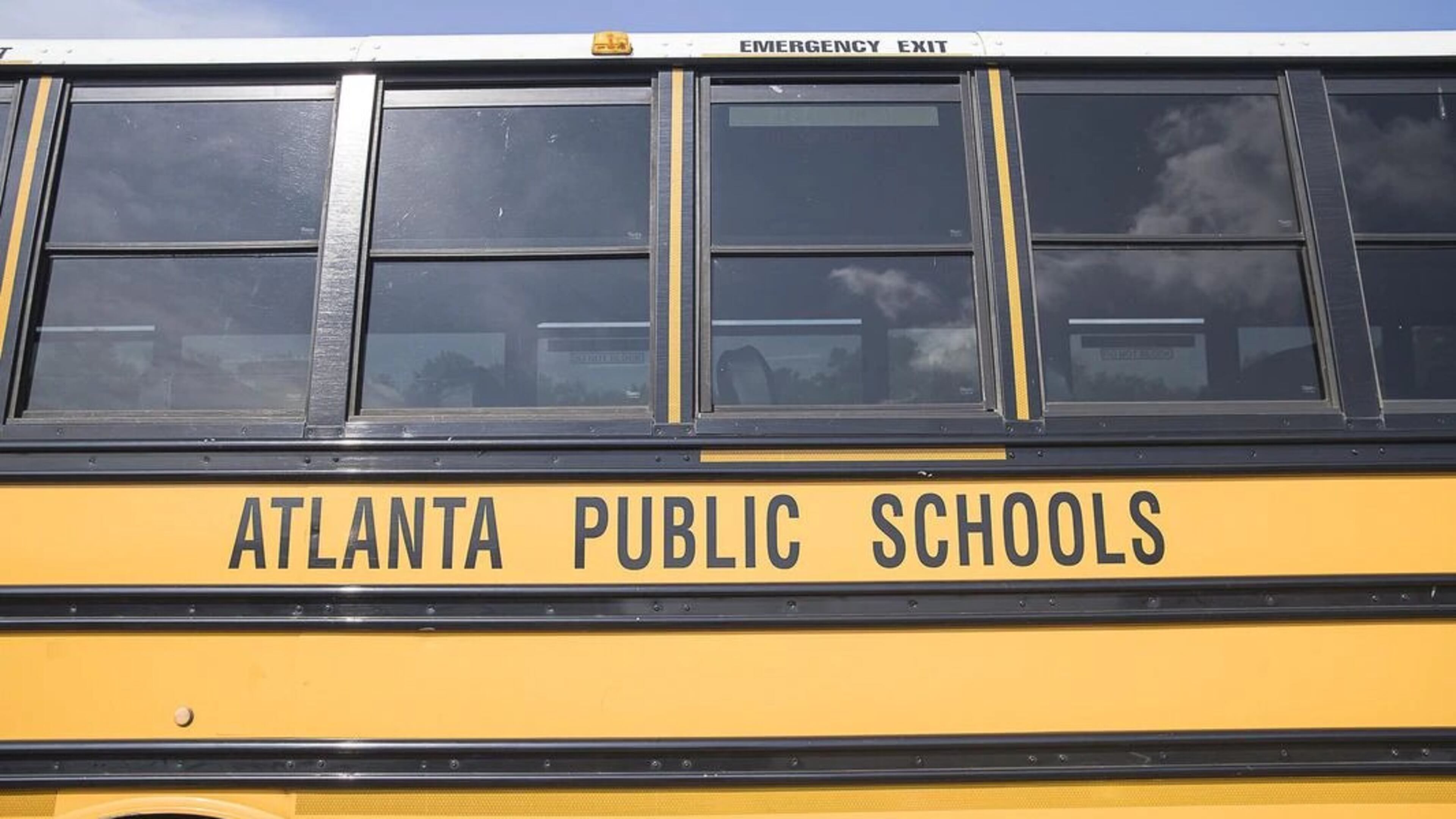
“(We are) currently working on the charging infrastructure for 23 new electric buses that will be introduced in the fleet for the upcoming school year,” Chief Operating Officer Larry Hoskins said, adding that the goal is to help reduce the district’s carbon footprint.
APS has teamed up with the Lion Electric Co. to provide the buses. The funding comes from the U.S. Environmental Protection Agency’s Clean School Bus Program, which grants money to districts to transition from diesel-powered school buses to electric ones.
About the Author

Martha Dalton is a journalist for The Atlanta Journal-Constitution, writing about K-12 education. She was previously a senior education reporter at WABE, Atlanta's NPR affiliate. Before that, she was a general assignment reporter at CNN Radio. Martha has worked in media for more than 20 years. She taught elementary school in a previous life.