New AI tech deployed in Atlanta’s air traffic control. Here’s what it does.
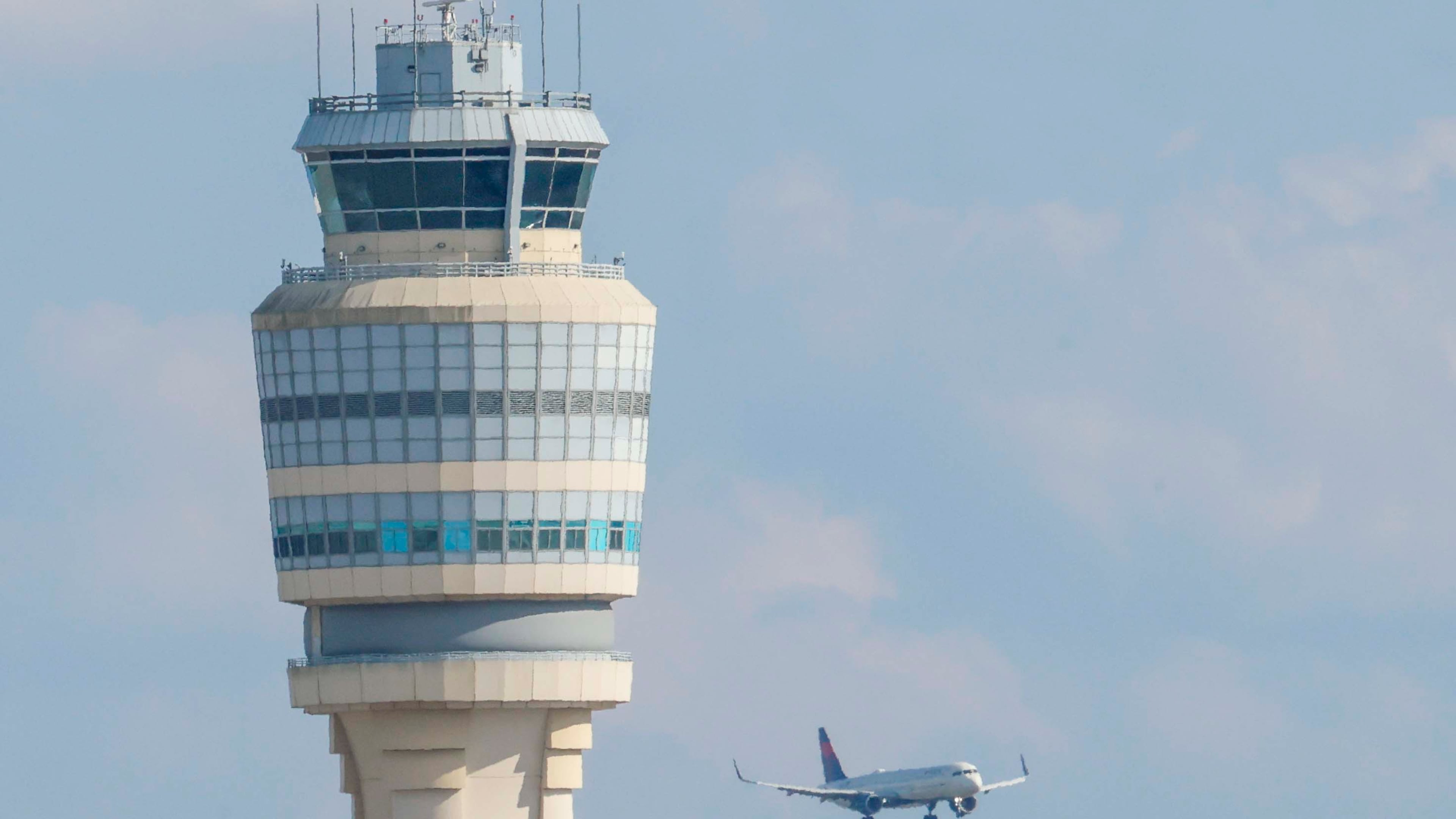

The Federal Aviation Administration is in the midst of a multibillion-dollar modernization of the nation’s aging air traffic control system, and Hartsfield-Jackson Atlanta International Airport is starting to see the effects.
Atlanta is one of the first cities to deploy the FAA’s new artificial intelligence-powered tool that can help air traffic control and airlines proactively identify more efficient routes around traffic or weather, the agency’s Chief Technology Officer Rebecca Guy said in an interview.
Those suggestions have so far rerouted more than 200 flights nationally, saving an average of about 10 minutes of flight time and nearly 80 gallons of fuel, she said.

“We’re seeing the benefits … of better predictability,” Guy said. “Where often the older system would say we could not fly, actually we can because we have better weather information.”
“Strategic Management of Airspace, Routes and Trajectories,” known as SMART, first rolled out in the Washington, D.C.-Baltimore area and expanded to the Atlanta, Miami and Jacksonville regions last month.
The investment has the strong backing of airlines, including Atlanta-based Delta Air Lines, which says it’s already seen benefits.
But some labor unions remain circumspect, warning no human jobs should be diminished during the major modernization underway in the country’s airspace.
$12.5 billion and counting
SMART suggests reroutes to the FAA’s command center, which helps set airspace parameters based on weather and traffic.
Those suggestions can be forwarded to local air traffic controllers, who can choose to accept them. Recommended reroutes are then pushed out to airlines directly, which also can choose to accept.
The tool centralizes 200 data streams including weather patterns, traffic flow and air traffic control staffing to predict better routes and manage airspace closures and ground stops, the FAA says.
It’s part of a $12.5 billion overhaul of the country’s airspace systems sparked by outrage over the deadly midair collision near Washington, D.C., in January 2025, which drew stark attention to its faults and outdated infrastructure, from floppy disks to paper flight tracking systems.
Secretary of Transportation Sean Duffy is asking for another $30 billion to continue the work.
The Savannah-based father and stepmother of Sam Lilley, one of the pilots who died in the crash, have been pushing Washington to improve the system. The parents, Tim and Sheri Lilley, told the AJC they are “encouraged” by the investments.
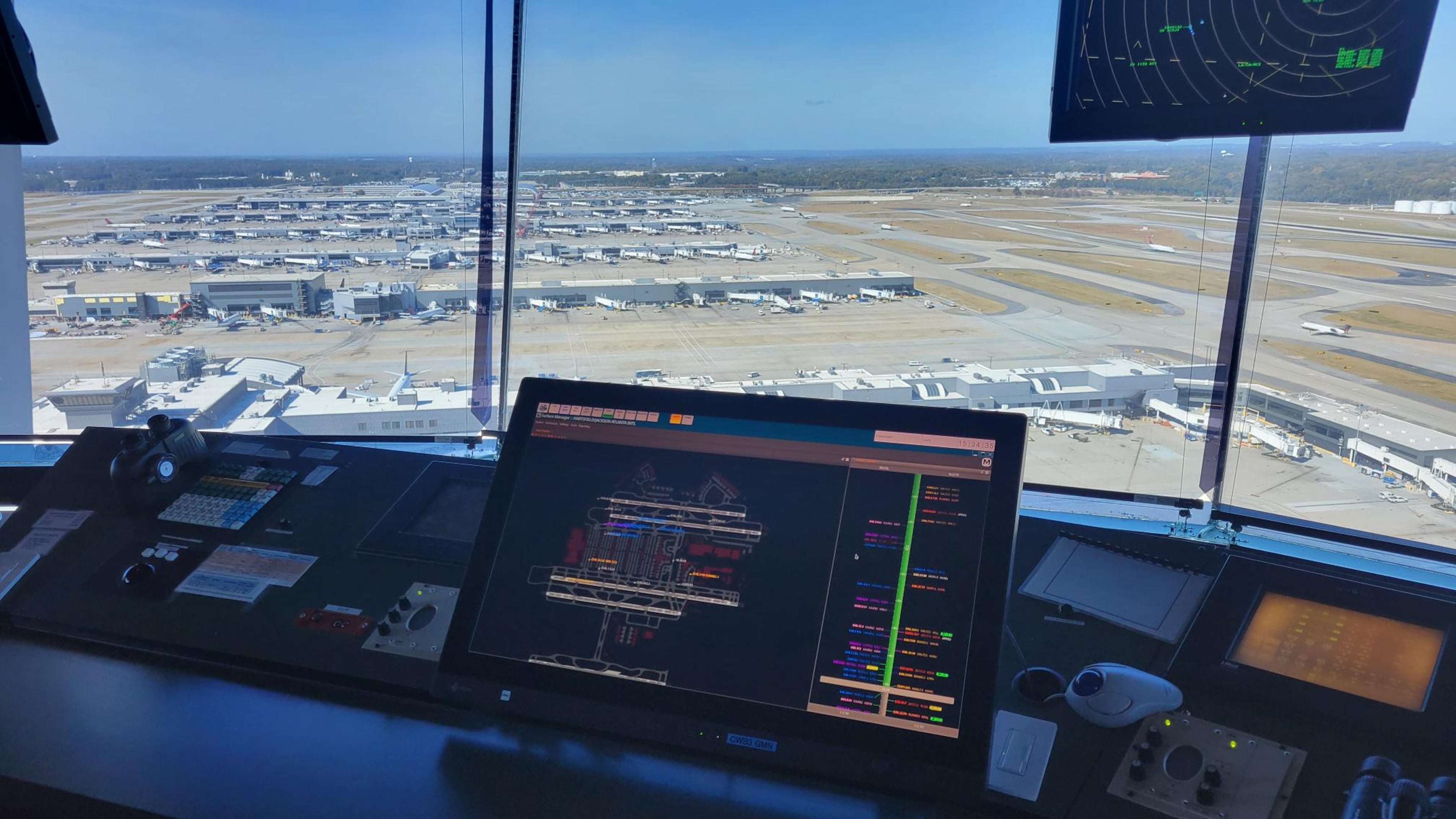
As another example, Hartsfield-Jackson recently became the 26th airport to see its air traffic control’s paper flight strips digitized.


“Early indications demonstrate the massive potential that SMART offers to optimize the national airspace, and we look forward to working with the FAA to expand its use and build on that progress,” Delta CEO Ed Bastian said in a statement.
Delta told the AJC that in Atlanta alone on Nov. 4, 29 different Delta flights accepted SMART-generated reroutes around weather. Atlanta-area FAA facilities accepted 50 out of 58 recommendations, the airline said.
One of those reroutes, Guy said, saved an hour of flight time.
‘Humans make decisions’
But while stakeholders across the industry agree these systems need investment, the moves have sparked wariness among some labor unions about the threat new technologies can pose to human jobs — even as federal officials have tried to dispel that fear.
“There is a human as part of this, every step of the way,” Guy said of SMART.
“But we are utilizing technology to be smarter and get ahead of these issues, so we can ensure air traffic control can focus on safety at all times.”
Duffy has echoed this: “I want to be clear. Humans control the airspace. Humans make decisions. We’re just giving them way better technology.”
In a statement, the National Air Traffic Controllers Association said it wasn’t involved in SMART’s design, testing or implementation and “cannot speak to its effect on the air traffic control workforce.”
But the union noted “any new technology should complement and not replace the experience, training, and professional judgment of air traffic controllers who are responsible for the safety of the National Airspace System.”
The apprehension is echoed by the Professional Airline Flight Control Association, which represents more than 2,000 flight dispatchers.
These airline employees plan and support flight operations alongside pilots. Sometimes referred to as a third crew member on the ground, dispatchers are in constant contact with air traffic control and would field any SMART-suggested route changes.
The union this summer launched a partner lobbying effort focused on educating lawmakers about the safety importance of their jobs amid the new wave of investments, known as the Operational Control Alliance.
SMART’s impact “remains to be seen” given its limited rollout, said Jim Starnes, a Delta dispatcher who spoke in his capacity as director of government affairs for PAFCA and leader of the OCA initiative.
“(SMART is) new. It’s novel. And we don’t know yet,” he said.
But going forward, his group’s goal is to make sure their roles are understood and protected by lawmakers as technology evolves.
“Everyone knows who the pilot is. Everyone knows who the flight attendant is. They have no idea we’re there, but we are,” he said.