As Thanksgiving approaches, metro Atlanta food prices continue to soar
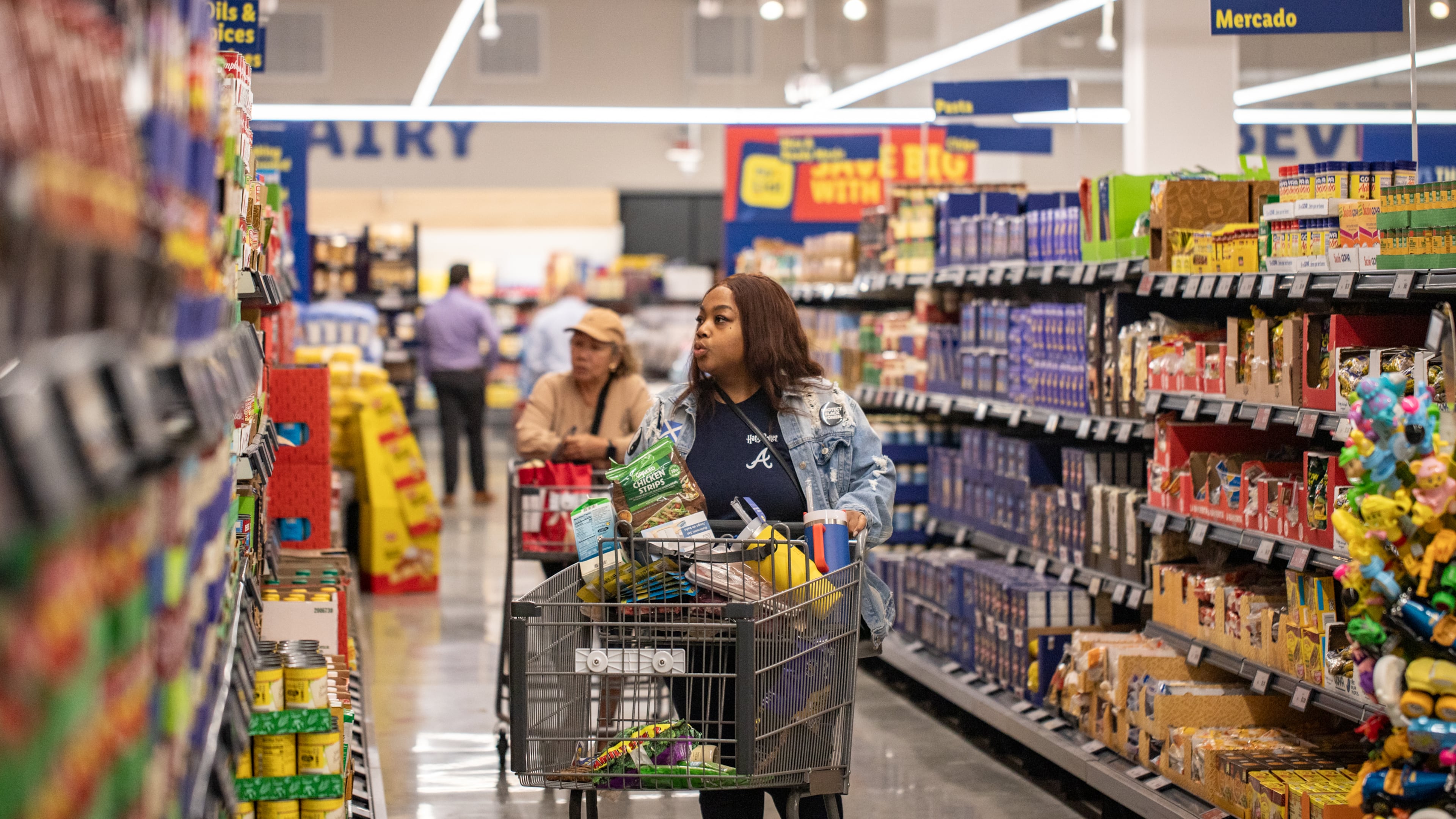

Grocery shopping has become a math problem for Marietta resident Theresa Morgan.
She’s reaching retirement age and trying to save money but food costs keep rising, stressing her budget and her mind. She recounted a recent day when she saw that her favorite cookies cost two dollars more than usual.
“Do I spend this extra money? Should I? Do I need to?” Morgan said. “That’s most prevalent and stressful on my mind is that as I get closer to retirement age, everything’s costing more.”
Metro Atlanta food prices continue to climb as people prepare for Thanksgiving feasts and a host of holiday festivities.
From August to October, the overall cost of food in the region — including grocery and restaurant prices — jumped a sharp 1.5%, while overall inflation was only slightly up, according to recent data from the U.S. Bureau of Labor Statistics. On an annualized basis that would equal about 6%.
Fruits and vegetables saw the biggest gains, with prices increasing more than 4% for the August to October period.
“You talk about inflation as touching everybody, and certainly it does, but it is closer to home when it’s food because everybody eats,” said Stephen Craft, dean of Oglethorpe University’s Hammack School of Business.
“That is definitely a steep increase, and it definitely is touching people’s lives,” he said.
A longer look at the trend is more sobering. Metro Atlanta food prices have soared nearly 30% over the five years to October, rising faster than the national average, which was 24% over the same time period.
That can be hard to stomach. The average household spends about 13% of their annual budget on food, according to BLS data.
A post-pandemic surge in prices during the Biden administration helped usher Donald Trump back into the White House after he campaigned on taming high prices.
But inflation has proven persistent, with some of Trump’s actions, such as tariffs and the war the U.S. launched with Israel against Iran, contributing to cost pressures.
Why is food inflation higher in metro Atlanta?
A host of reasons are to blame, Craft said.
Across the U.S., new tariffs on imported foods have jacked up prices, he said. Also weighing on food prices is heightened immigration policies, which has affected the availability and cost of farm labor, and higher diesel fuel prices amid the Iran war, which have driven up transportation costs.
In metro Atlanta, other factors make food inflation more pronounced, Craft said.
“Compared to most cities our size, we are further away from cultivatable land to grow human food,” Craft said. “Distance means transportation, which means diesel fuel, which means higher costs.”
He also said drought conditions this year in growing regions of the state, along with strains on the water supply from a proliferation of new data centers, are also influencing the price of food.

Thanksgiving dinner is more expensive this year
Residents may feel it in their upcoming Thanksgiving dinners.
The average 10-person Thanksgiving dinner will cost $58.63 this year, up 6% from last year, according to the American Farm Bureau Federation, which has run its annual survey for 41 years.
The Farm Bureau analysis includes traditional ingredients such as turkey, stuffing mix and cranberries. But it excludes some common items at holiday festivities, such as store-bought booze, the cost of which increased 0.2% in metro Atlanta from August to October.
The Farm Bureau Federation says it’s the first time since 2022, when inflation reached a 40-year high, that it has reported a year-over-year increase in the cost of Thanksgiving dinner.
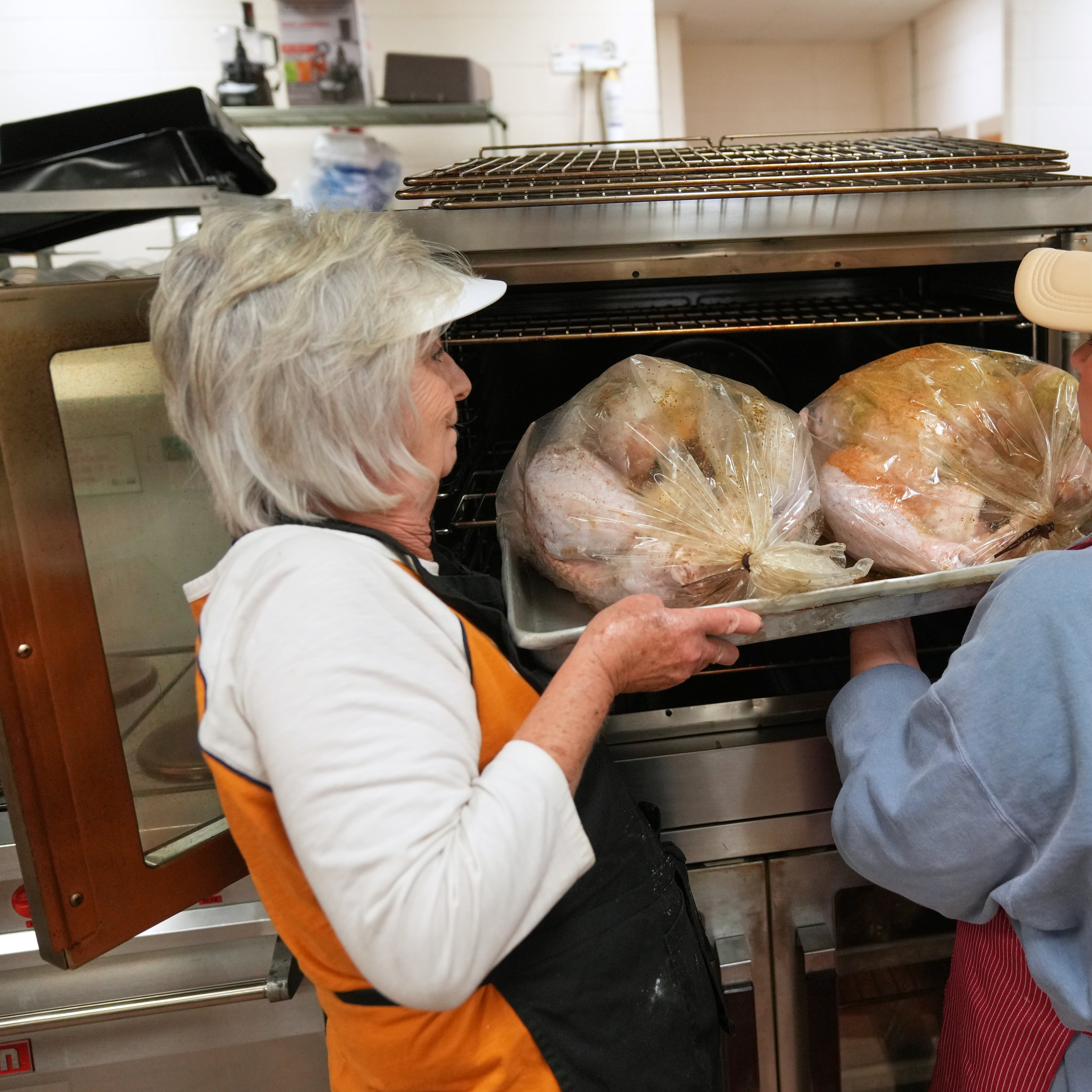
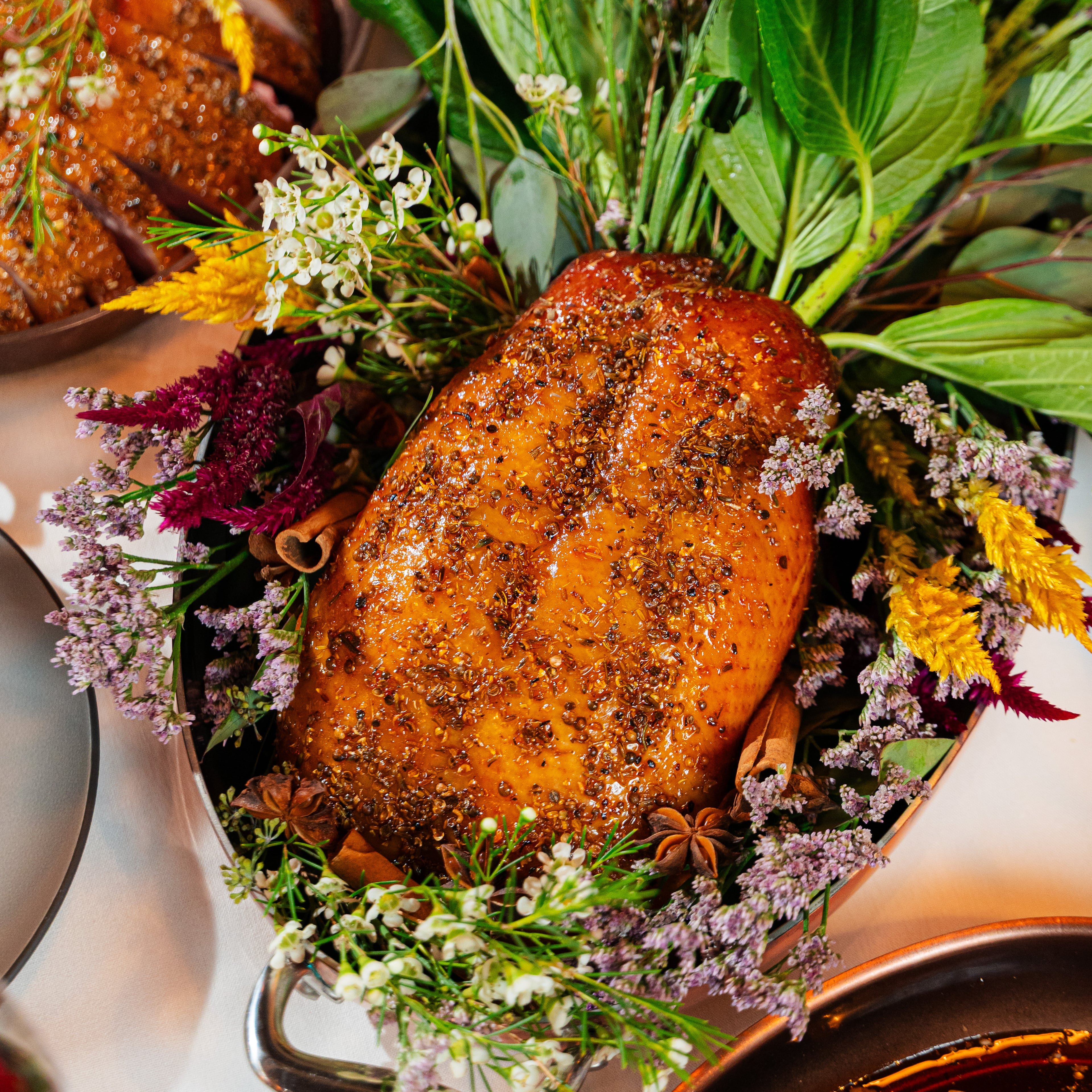
The most notable increase this year is the main course. The average price of a 16-pound frozen turkey is $23.68, up 10% from last year.
Among other Thanksgiving staples, a 12-ounce bag of fresh cranberries is up 8.8% and 14 ounces of cubed stuffing mix increased 5.4%, the Farm Bureau Federation said.
“High diesel prices and a shortage of farm labor have taken a toll on the farm level of the food supply chain,” Faith Parum, deputy chief economist for the Farm Bureau Federation said in a news release.
For Morgan, the Marietta resident, higher prices for food staples means she is cutting back in other areas.
She is keeping her heat off for now. She’s cut back on eating out. She’ll only buy Christmas gifts for the young children in her family.
And potato chips. Nope, she’s not buying those anymore.
“I totally cut back on the snack foods,” she said.